Bulgaria has water resources. And yet we increasingly talk about water rationing, network losses, drought and uncertain supply. How is that possible?
The new analysis by the Ministry of Environment and Water, “Water crises in Bulgaria – analysis and solutions”, makes an important point: the country’s water crisis should not be seen as a series of isolated failures or temporary difficulties.
It is a systemic problem.
And perhaps the most important conclusion is that the question is not only whether Bulgaria has water, but how effectively we manage, store and deliver it where it is needed.
Over 60% losses: water we have but do not use
One of the most striking figures in the analysis relates to losses in the water-supply system.
According to the ministry, total water losses in the water and sewerage sector exceed 60%, and the condition of the network in many parts of the country is critical. Small and remote settlements are especially vulnerable. At some operators, losses even exceed 90%, the ministry notes in another analysis from March 2026.
That changes how we need to think about the problem.
It is not enough to ask:
“Do we have enough water?”
We also need to ask:
“How much of the available water actually reaches the place where it is needed?”
This is where water security starts to shift from an infrastructure issue to a strategic one.
More on the scale of losses on the way to the tap: How much water do we lose before it reaches us?
Climate change increases the pressure
Climate is another part of the equation.
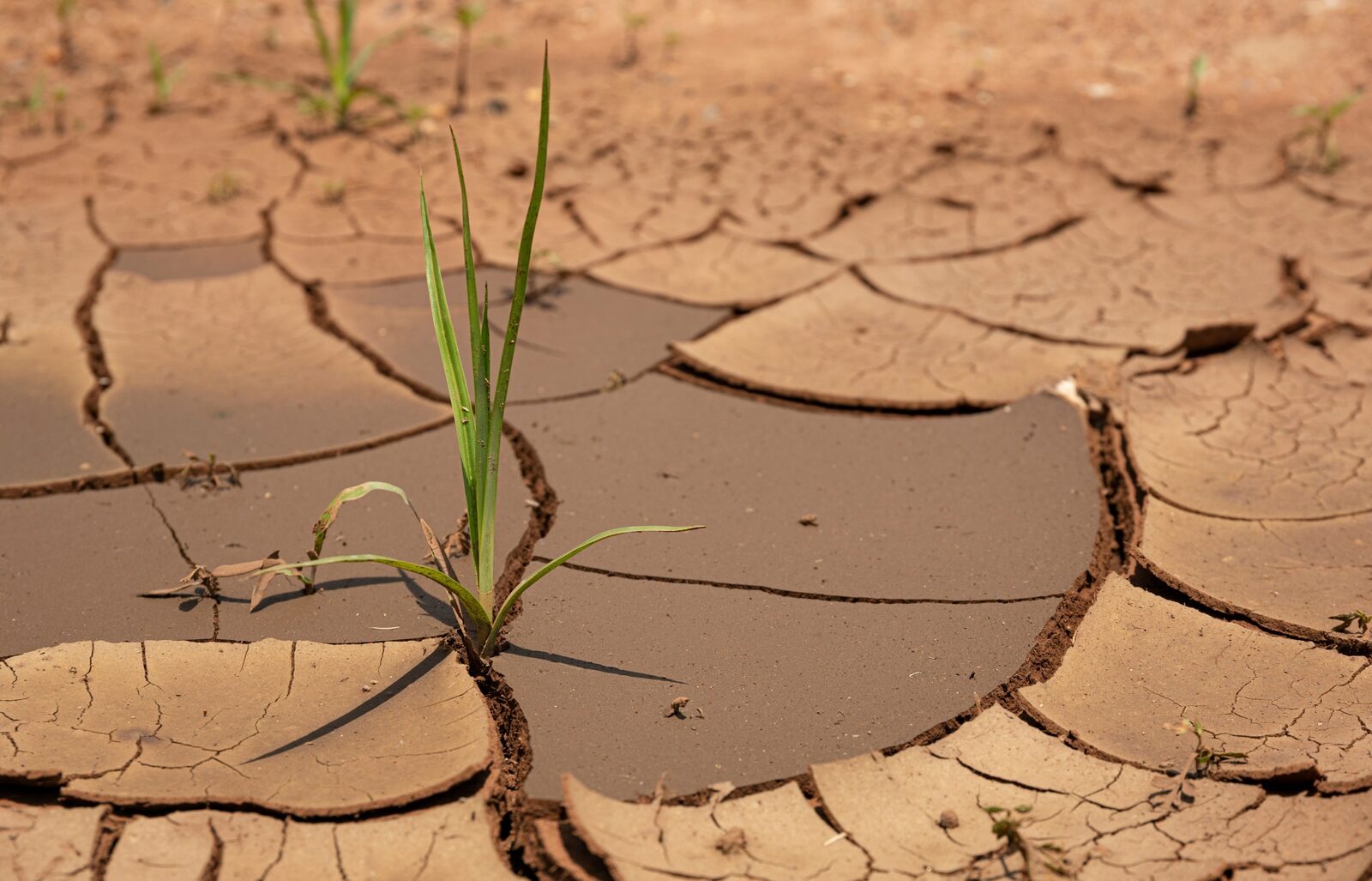
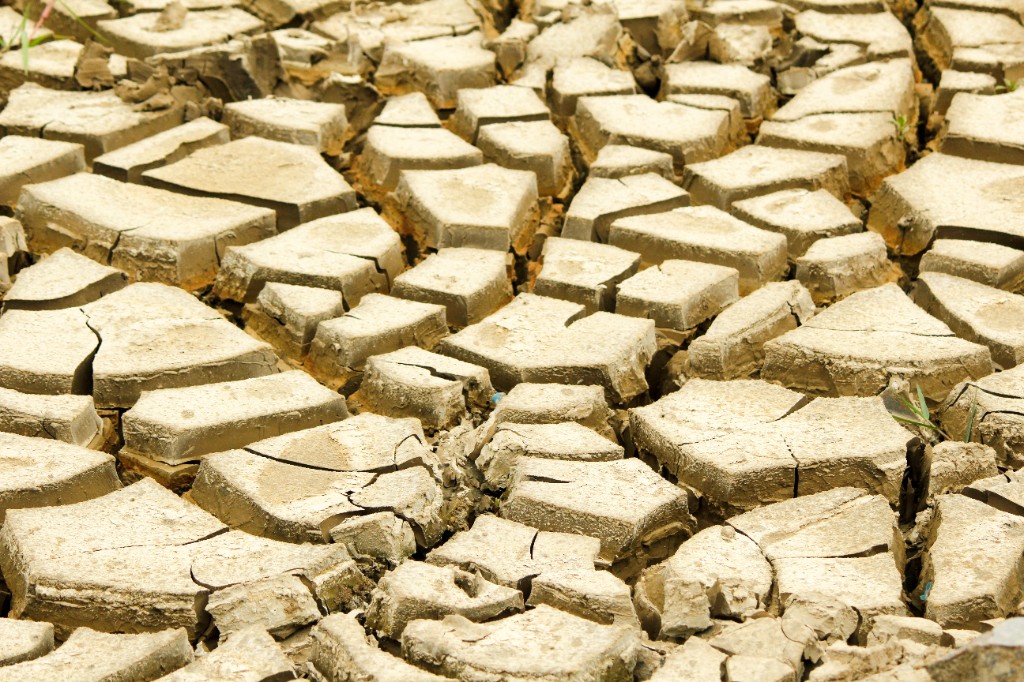
Higher temperatures, prolonged dry periods and more frequent extreme weather events increase pressure on water resources.
But the ministry’s analysis draws an important distinction: climate change cannot be the only explanation for Bulgaria’s water problems.
It rather brings to the surface weaknesses accumulated over years — insufficient investment, fragmented governance, a lack of sufficiently reliable data, weakened oversight and ageing infrastructure.
In other words, climate pressure makes an already vulnerable system even more vulnerable.
From “water supply” to “water security”
This is where a bigger shift comes in.
For decades, water was mainly seen as an infrastructure service: source → network → user.
Today that model needs to be complemented.
The ministry places reliable data, better governance, infrastructure modernisation and adaptation to climate change among the core principles for reform. The report also highlights better use of rainwater, protection of rivers and groundwater, resource efficiency and nature-based solutions.
This is essentially a shift from thinking:
“How do we deliver more water?”
to:
“How do we build a more resilient system for securing and managing water?”
What if some of the water were produced where it is needed?
It is precisely within this wider strategy that there is room for new technological solutions.
One of them is generating water from atmospheric moisture.
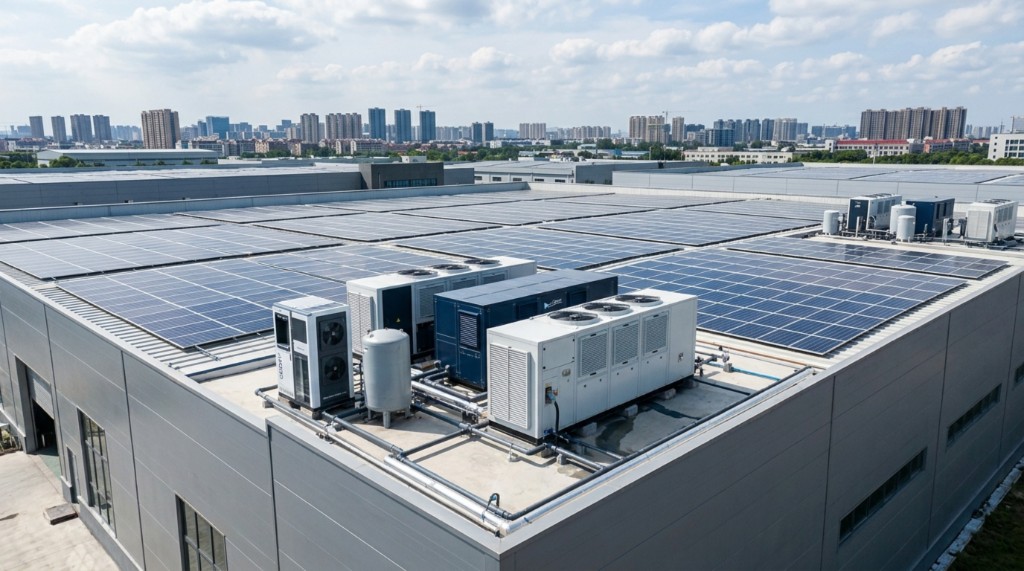
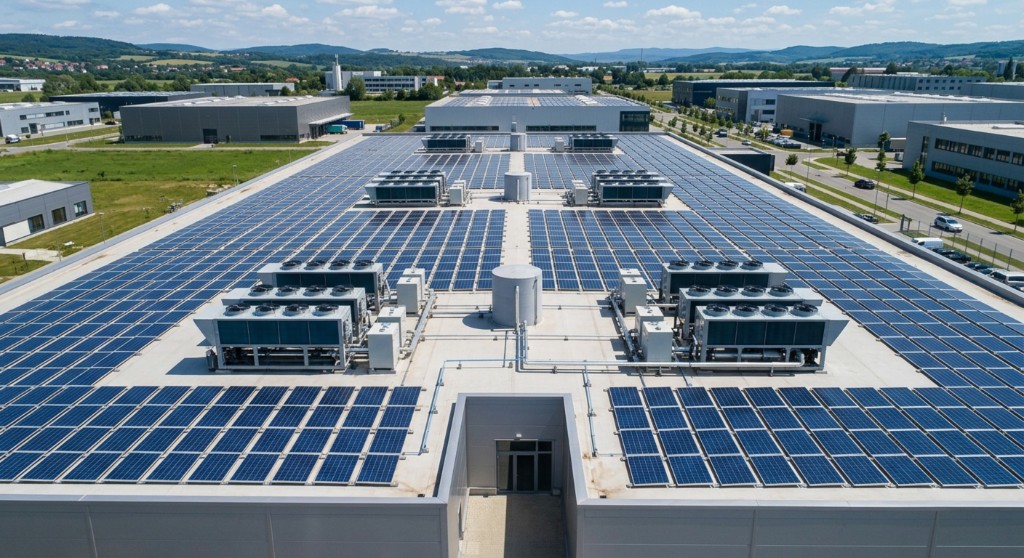
The air around us naturally contains water vapour. Atmospheric water generators — AWG — use that moisture as a source, condense it and, after further treatment and filtration, can produce water locally.
That changes a fundamental feature of the traditional model: water does not first have to be produced or abstracted in one place and then necessarily transported to the point of use.
Some of it can be generated directly where it is needed, when climate conditions and the specific application make the technology suitable.
More about the process: How an atmospheric water generator works.
Not a substitute, but another source
It is important not to present water-from-air technologies as a universal substitute for reservoirs, the water network or traditional sources.
The water challenge is too complex for a single solution.
A more resilient model is likely to be a combination of:
modernised infrastructure + reduced losses + efficient use + reuse + rainwater + protection of natural sources + alternative local sources.
AWG can be one of those complementary sources.
It is especially relevant for agricultural areas (including irrigation), houses outside towns, mountain lodges, campers, hotels, offices, industrial sites, remote facilities, tourist complexes and places where delivery or security of supply is a real operational challenge.

Water is already a business issue too
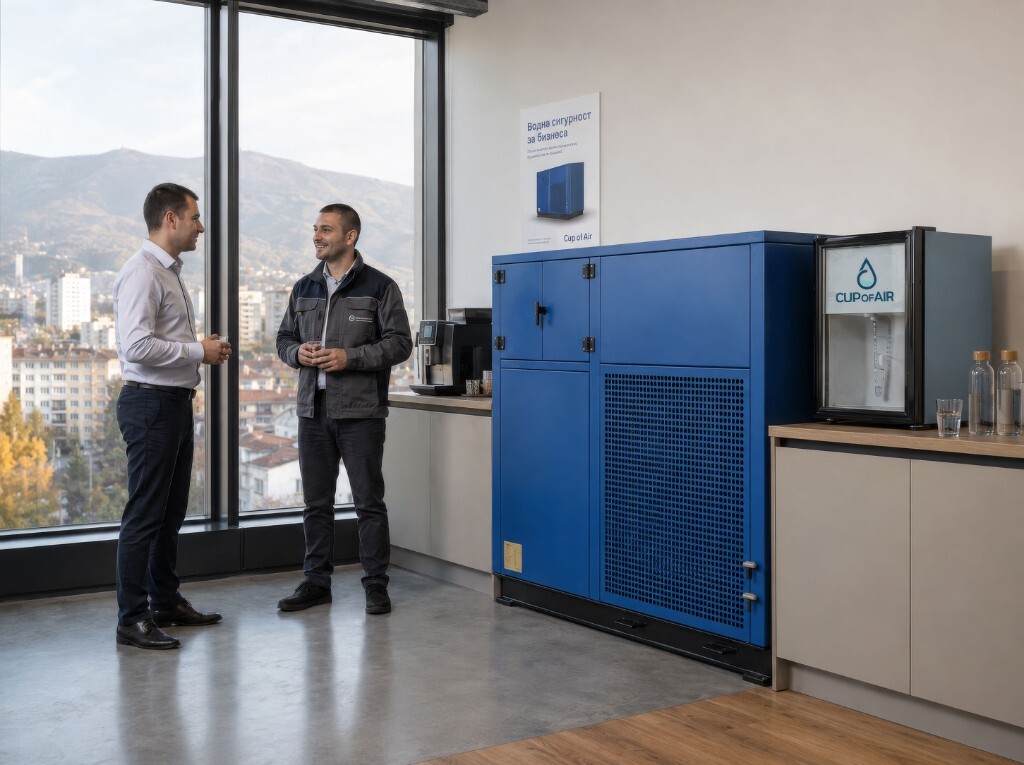
The topic does not affect only the state and water operators.
For business, water is gradually becoming part of risk management.
A company may have backup power, data backups, several suppliers and a business continuity plan.
But what happens if there is not enough water?
- For a hotel, that can mean being unable to serve guests.
- For a manufacturing plant — limiting or interrupting processes.
- For a remote site — dependence on deliveries.
- For fruit and vegetable growers — no harvest.
So the business question is no longer only:
“How much water do we use?”
but increasingly:
“How secure is our access to it?”
Water must be treated as a strategic resource
This may be the strongest conclusion from the ministry’s analysis.
The ministry states that water should be treated as a strategic resource, not merely as a technical problem of a single sector.
And that requires a change not only in infrastructure, but also in mindset.
- Measure better.
- Lose less.
- Reuse.
- Protect existing sources.
- And in parallel — look for new ones.
Atmospheric moisture is one of the resources technology already allows us to see differently.
The air has always contained water.
What is new is that we now have technologies that let us use part of that resource where conditions allow.

Cup of Air — water generated from air
At Cup of Air we work with technologies that generate water from atmospheric moisture — from solutions for offices and smaller sites to systems with higher production capacity.
Our position is simple: the future of water security will not depend on one solution or one source.
It will depend on our ability to manage existing resources more wisely and use technology to add new options where they make sense.
Water as a resource. Technology as an opportunity.
Source
This article was prepared in connection with the analysis “Water crises in Bulgaria – analysis and solutions”, published on 27 April 2026 by the Ministry of Environment and Water.
Want advice on the right model?
Request a quote