How technology that extracts water from air is changing ideas of water independence — and why decentralized water supply may become the next major technology trend.
From energy independence to water independence
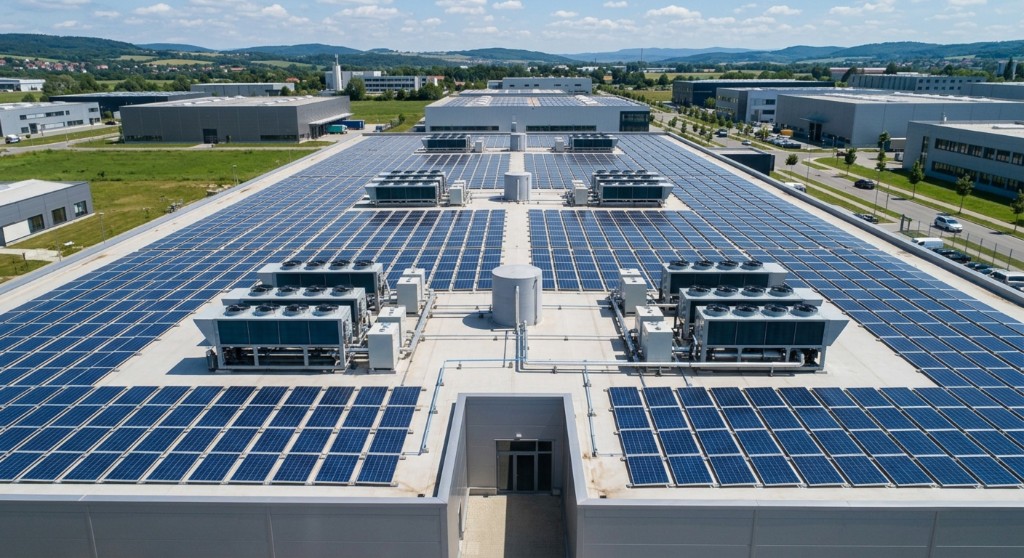
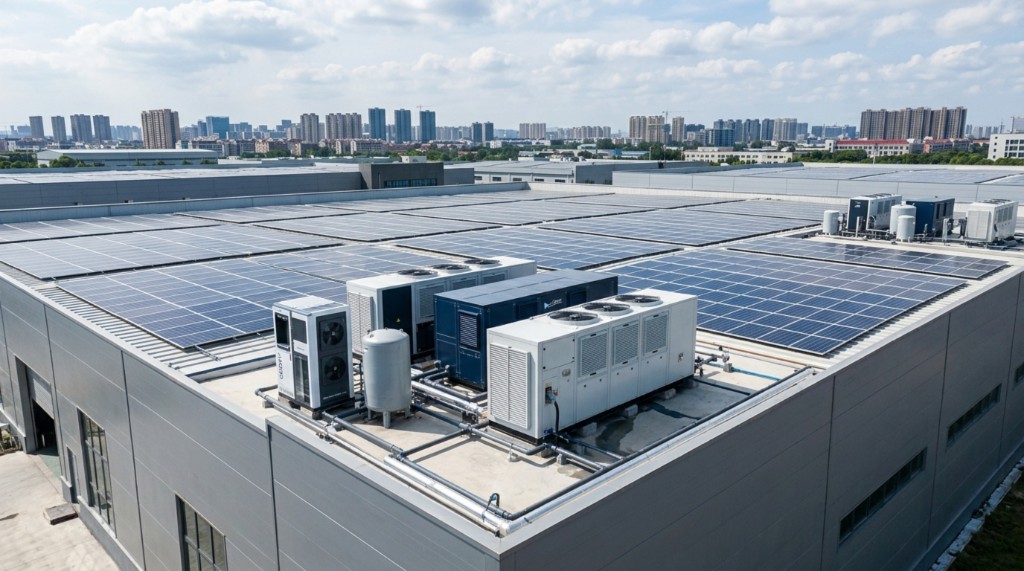
Only a few decades ago, the idea that a building could produce its own electricity looked more like a technology experiment. Today solar panels, home batteries and smart energy systems are gradually changing how we generate and use power.
Electricity no longer has to travel hundreds of kilometres before it reaches the user. It can be produced on the roof of a home, office or industrial building.
What if we applied the same principle to water?
Imagine an office that produces part of its drinking water on site. A hotel that reduces dependence on bottled-water deliveries. Or a remote site with an additional water source without building a new pipeline.
This is not science fiction.
The technology already exists and is called Atmospheric Water Generation (AWG) — producing water from atmospheric moisture.
It raises an interesting question: after energy independence, could an era of water autonomy follow?
1. Air holds far more water than we usually assume
When we talk about the planet’s water resources, we usually picture rivers, lakes, reservoirs and groundwater.
There is another natural reservoir that often stays out of view — the atmosphere.
According to a scientific review in Nature Reviews Materials (2024), Earth’s atmosphere holds roughly 13,000 cubic kilometres of water as vapour.
That equals about 13 quadrillion litres.
For comparison, that is about six times the volume of Lake Victoria — one of the world’s largest freshwater lakes.
Atmospheric water is not concentrated in one place. Its amount changes continuously with temperature, humidity, location and weather.
That is where the technological opportunity appears.
Instead of transporting all needed water to the user, can we extract part of it from the air around them?
Modern atmospheric water systems show that under suitable conditions the answer is yes.
2. How is water produced from air?
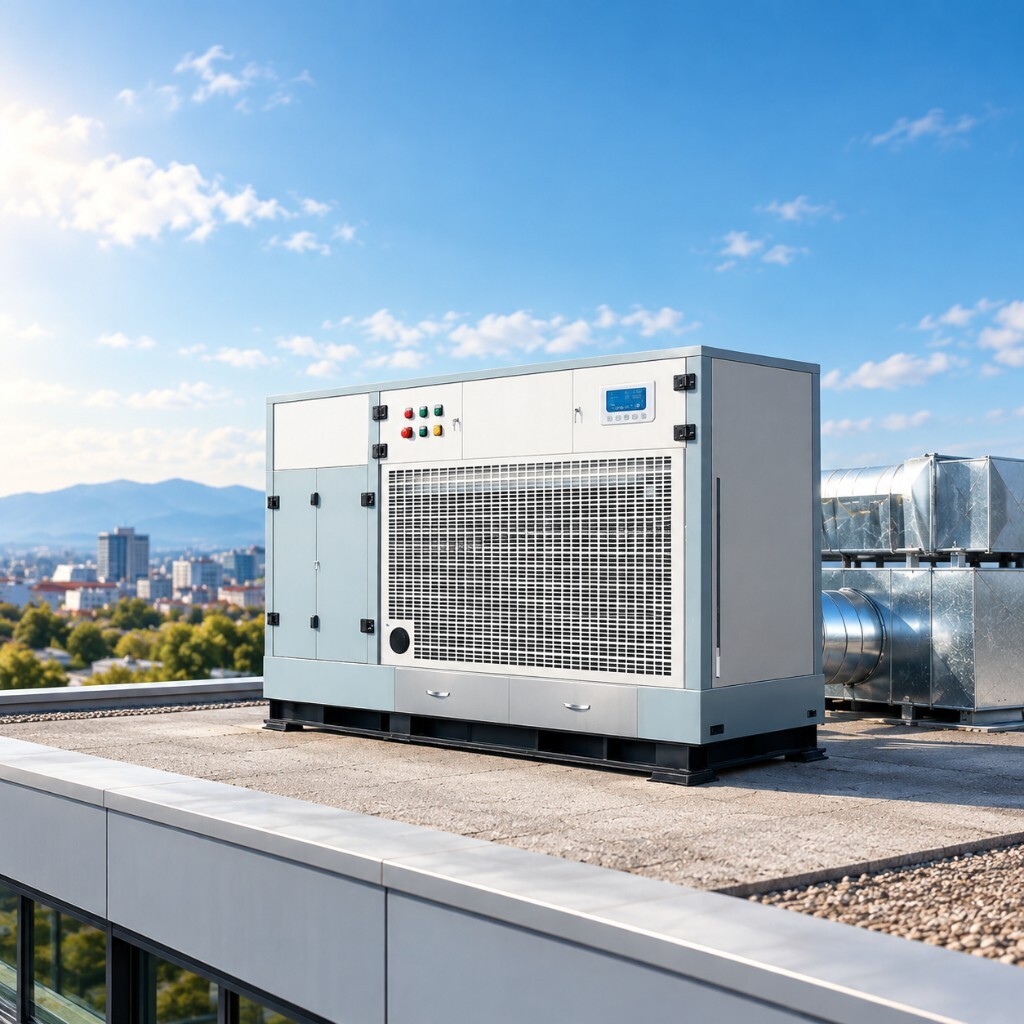
The principle is familiar from nature.
When warm, humid air cools enough, water vapour turns into liquid. That is condensation.
It is the same process behind morning dew on grass or droplets on a cold surface.
AWG systems use this physical principle in a controlled technical environment.
In condensation AWG systems the process typically includes:
1. Intake of atmospheric air
A fan system draws in ambient air.
2. Cooling and condensation
Air passes through a cooling system until its temperature falls below the dew point. Part of the vapour condenses.
3. Collection and treatment
The water is collected and treated. Depending on design, this may include mechanical filtration, activated carbon, membrane technologies and UV disinfection.
4. Preparation for drinking
Systems intended for drinking water may add mineralisation, chemical-parameter control and microbiological safety steps.
The result is water produced from atmospheric moisture.
Condensation alone does not guarantee drinking quality. That depends on air quality, materials, treatment, system hygiene and regular water monitoring.
3. Why humidity matters so much
One of the most important aspects of AWG is its dependence on climate.
At the same relative humidity, warm air usually holds more vapour than cold air.
For example, at 30°C and 60% relative humidity, one cubic metre of air holds about 18 grams of water vapour.
At 20°C and the same relative humidity, the amount is about 10 grams.
So AWG output cannot be judged by “litres per day” alone.
You also need to know the temperature and humidity at which that output was measured.
A 2026 review in Results in Engineering examines the link between climate conditions, water yield and specific energy consumption.
The conclusion matters: atmospheric water generation is technologically possible in many climates, but efficiency can vary widely.
Choosing the right system therefore starts with analysing the environment where it will operate.
4. After solar panels — a local water source?
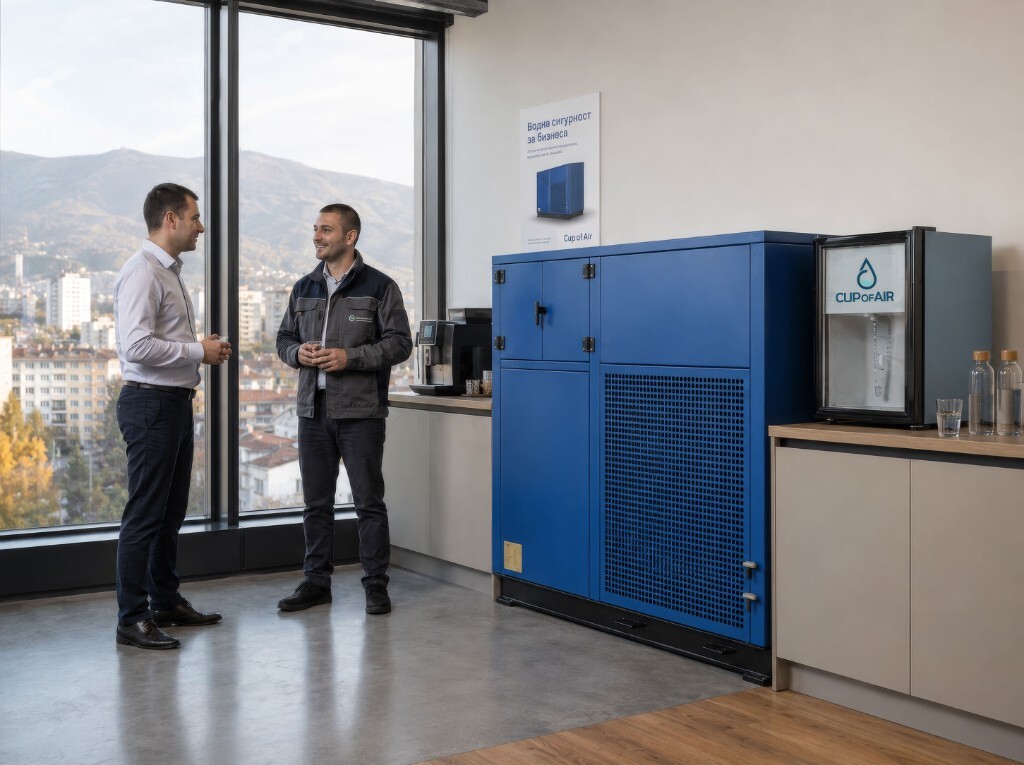
Decentralised energy offers a useful model for the future of water supply.
In traditional energy infrastructure, electricity is produced in large plants and distributed through transmission networks.
Solar panels changed that model by letting individual users produce part of their own power.
A similar idea is gradually entering the water sector.
It is called decentralized water supply.
Instead of depending on a single central source for all demand, some buildings and sites can combine local options.
Those include rainwater harvesting, water reuse and treatment, and atmospheric generation.
The difference is that AWG does not need a traditional source such as a river, well or reservoir to produce water.
It uses moisture already present in the air.
That does not mean it can replace piped infrastructure everywhere or under every condition.
But it creates an option for local drinking-water production that can complement existing supply.
In a changing climate, that option becomes increasingly interesting.
5. Water security is becoming a global priority
According to the UN, in 2024 about 2.2 billion people worldwide lacked access to safely managed drinking-water services.
That is more than a quarter of the world’s population.
The water challenge is not limited to traditionally arid countries.
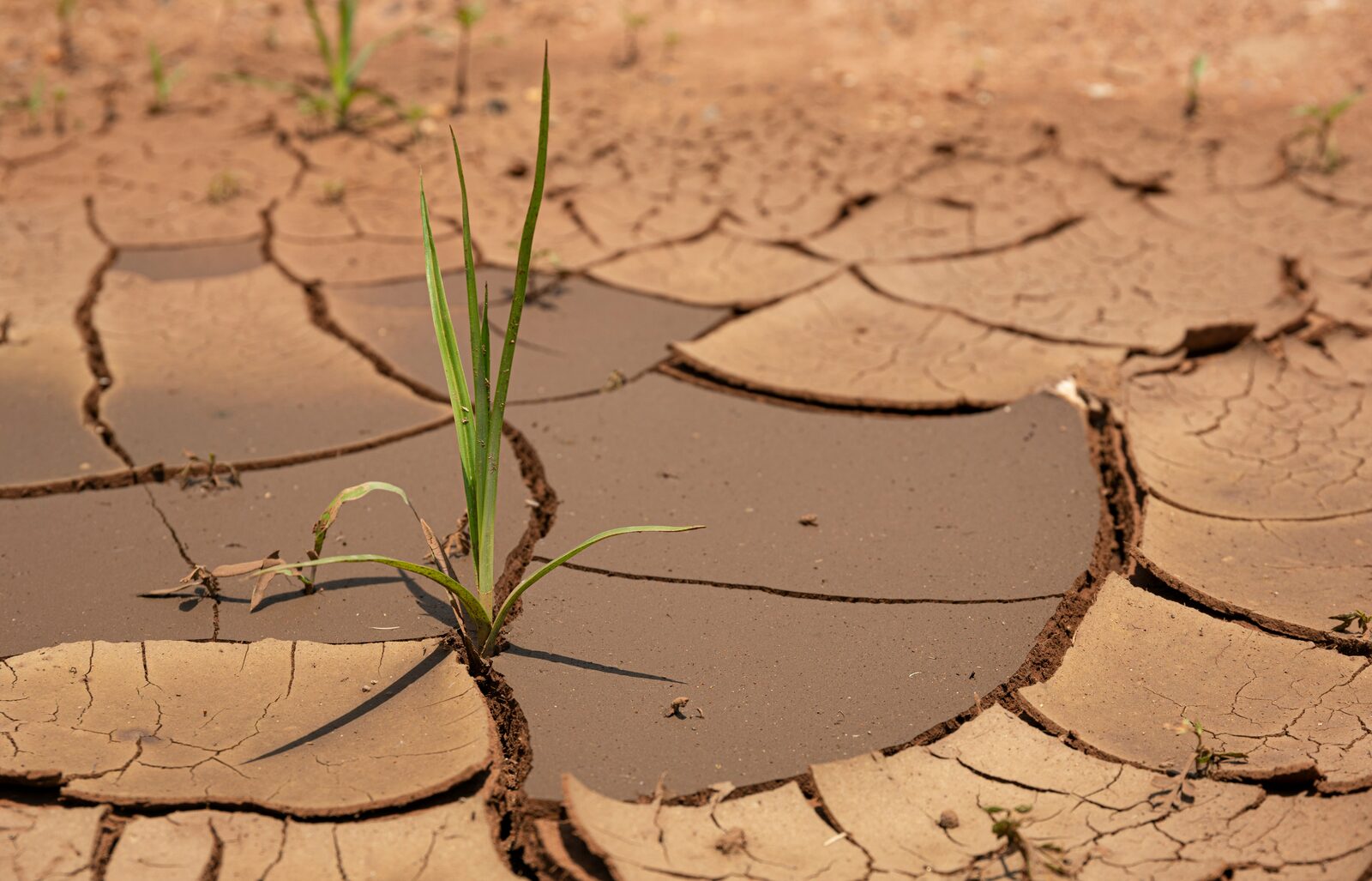
Long droughts, changing rainfall, pollution and pressure on water infrastructure also affect regions that historically had relatively stable resources.
This is where water security comes in.
It does not simply mean that water exists.
It means reliable access to enough water of suitable quality — and the ability to manage risks such as scarcity, pollution and supply interruptions.
For business, the concept is becoming practical.
Hotels, factories, healthcare facilities, offices and remote sites have different needs, but share one question:
How resilient is our activity if access to water is restricted?
Local water production can be one element of a strategy to manage that risk.
6. How much energy does water from air require?
This is one of the most important questions when assessing AWG.
Unlike networked tap water, atmospheric generation needs energy to extract moisture.
Efficiency is usually measured as SEC (Specific Energy Consumption) in kWh/L — how much electricity is needed to produce one litre of water.
A 2026 review in Next Energy notes that for the condensation systems studied under favourable conditions around 30°C and 80% relative humidity, energy use can be about 0.35–0.55 kWh/L.
In dry climates it can be much higher.
These values come from studied systems; they are not a universal figure for every device on the market.
In practice, evaluating a machine should consider together:
• Real output under local climate conditions.
• Energy per litre of water.
• Maintenance and consumables costs.
• Quality and intended use of the water.
• Potential integration with renewables.
That last point creates an interesting link between two technologies.
Can solar panels power a water-from-air machine?
Yes — with a correctly sized system.
Photovoltaics can supply AWG equipment; batteries or other sources can support operation when needed.
That leads to an integrated system combining local energy and water production.
It still needs careful technical design.
Solar generation and good conditions for water production do not always coincide in time.
Energy storage, load management and climate data are therefore central to project design.
7. Smart systems can make production more efficient
The next step for AWG is not only stronger compressors or larger machines.
Intelligent control is becoming more important.
Imagine a system that analyses temperature, humidity, energy costs and available solar power.
Instead of running in one fixed mode, it can adapt production to conditions.
That approach is called adaptive control.
The 2026 Next Energy review discusses studies where adaptive strategies achieved up to 44% lower energy use and up to 169% higher specific yield versus the static modes examined.
Those results depend on specific experimental conditions and cannot automatically be transferred to every commercial system.
Still, they show the direction of travel.
Future water-production solutions are likely to be not just machines, but smart systems managing water, energy and resource efficiency together.
That is where Smart Water Management, IoT, AI, renewable integration and Climate Tech meet.
8. What does own water mean for business?
Local drinking-water production opens a new conversation about sustainable resource management.
For an office, it may mean fewer bottled-water deliveries.
For a hotel — an additional local source for certain guest needs.
For a remote site — water production where traditional infrastructure is limited.
For an enterprise — a potential element of a resource-resilience strategy.
These applications have different economics and need individual assessment.
Not every AWG system suits every site, and local production is not always cheaper or greener than existing supply.
Real benefit depends on local conditions, the energy mix, required volumes, operating costs and alternatives.
What the technology adds is something essential: choice.
The option to produce part of the water where it will be used.
9. From water footprint to water resilience
In recent years business has measured its carbon footprint ever more carefully.
The next major topic is the water footprint.
It looks at water used directly and indirectly in products and services, with methodologies also reflecting the type of water resource.
Two ideas must be kept distinct.
Reducing bottled-water deliveries does not automatically reduce the total water footprint.
Atmospheric generation also uses resources — electricity, equipment, materials and consumables.
A full life-cycle analysis is needed to judge the real environmental effect.
That includes equipment manufacture, operation, maintenance and how electricity is obtained.
Even so, local production can offer advantages in specific cases — especially when it replaces frequent bottled deliveries or serves sites with limited infrastructure.
In modern ESG strategies, what matters is not novelty alone, but measurable contribution to business sustainability.
10. Will every building have its own water source?
Probably not.
At least not soon, and not under all climate conditions.
Centralised water systems will remain essential for cities and settlements.
But the future may be more diverse.
Buildings with solar panels. Rainwater systems. Technical-water reuse. Smart demand management. And machines that produce drinking water from atmospheric moisture.
That is the idea of decentralised water infrastructure — different technologies working together to improve supply reliability.
Like the energy transition, this shift will not happen everywhere at once.
It will likely start where local production offers the greatest practical value.
Cup of Air: the technology is already available
At Cup of Air we see atmospheric water generation as part of more flexible, decentralised water solutions.
Our systems use moisture from ambient air to produce water at the point of use.
The technology can suit offices, hotels, commercial spaces and other sites, depending on needs and operating conditions.
We believe water’s future will not be defined only by where we deliver it from — but also by options to produce it closer to where it is needed.
Because the next step toward resource independence may start with a different look at the air around us.
After own energy, does own water come next?
Perhaps the most interesting point is this: we already have technology that lets us ask that question not as fantasy, but as a real possibility.
Scientific sources and further reading
1. Nature Reviews Materials (2024) — Bridging materials innovations to sorption-based atmospheric water harvesting devices.
2. Results in Engineering (2026) — Atmospheric water harvesting for climate-resilient water–energy systems.
3. Next Energy (2026) — Atmospheric water harvesting: A comprehensive review of techniques, innovations, systems, and future prospects.
4. United Nations — Sustainable Development Goals Report (2025), Goal 6: Clean Water and Sanitation.
5. UNESCO — United Nations World Water Development Report (2025), Mountains and Glaciers: Water Towers.