


From air to your glass
How Cup of Air captures moisture from the air and turns it into clean drinking water — step by step.
- Ready drinking water
- Multi-stage filtration
- UV disinfection
- No plumbing required
- Less plastic
- Capacity up to 5,000 L/day
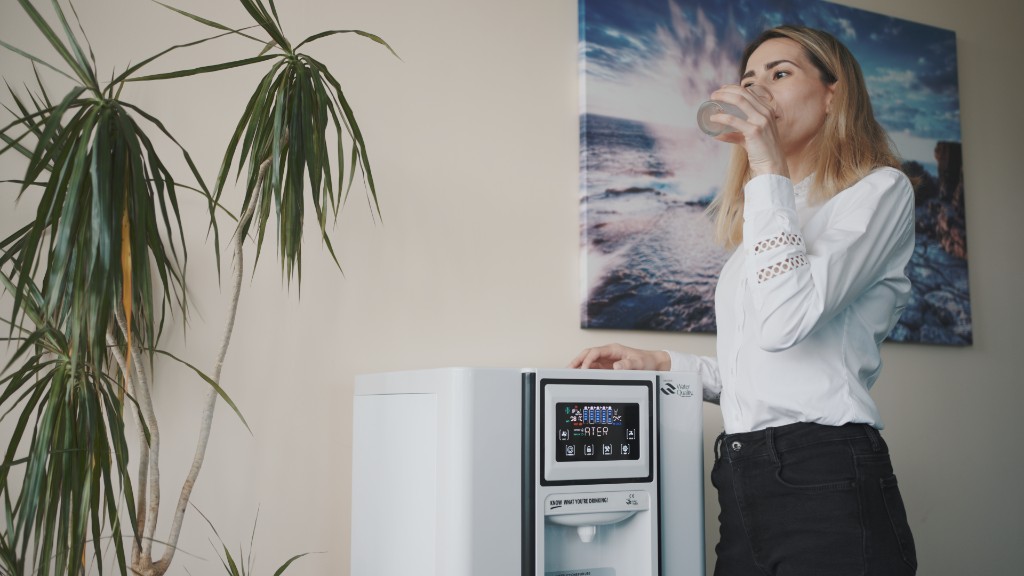
How does Cup of Air work?
- 1
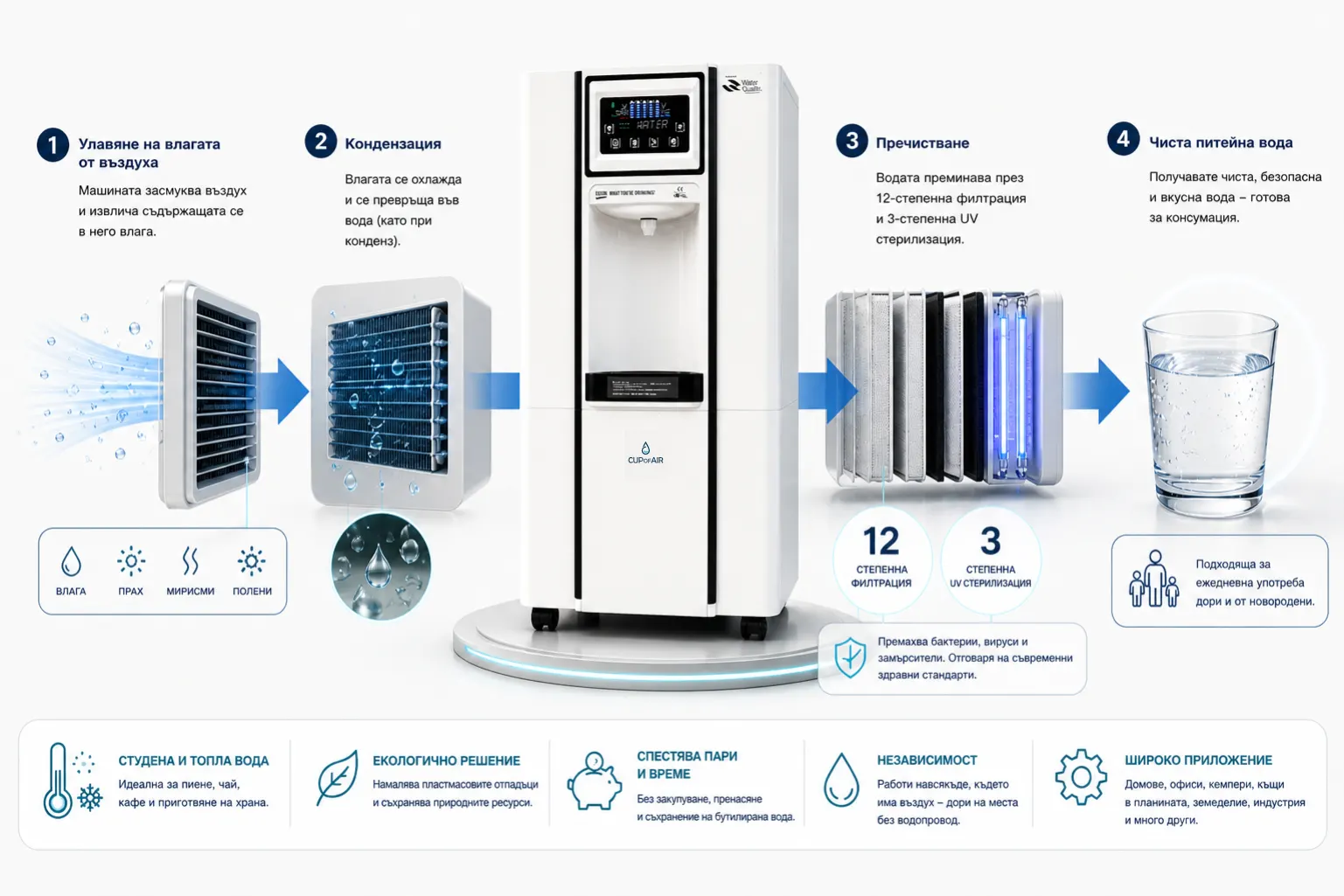
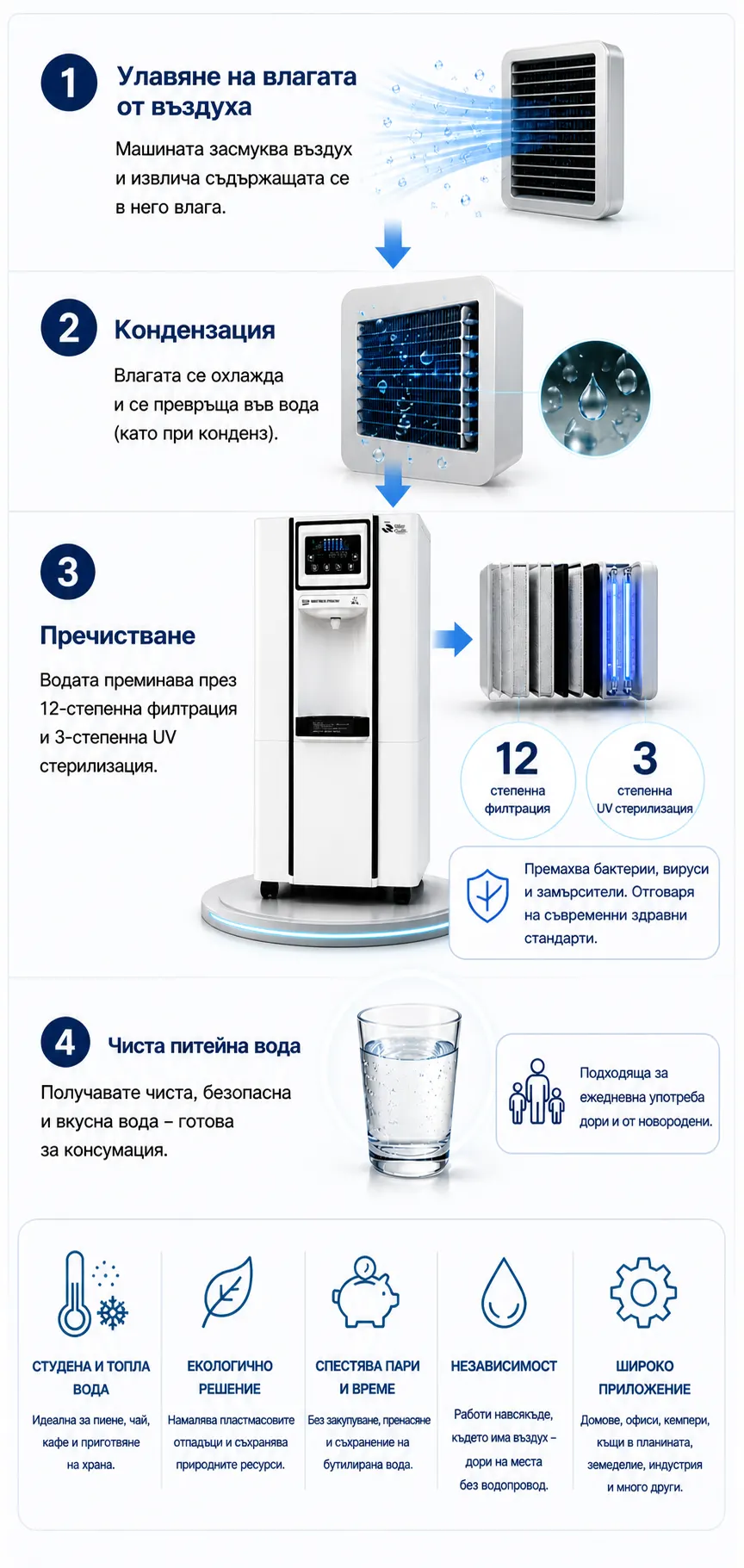
Air capture and filtration
Everything starts with the air around us.
- 2
Condensation — turning moisture into water
After filtration, the air passes through a cooling system.
- 3
Collecting the produced water
After condensation, water is collected and directed to purification modules.
- 4
Multi-stage filtration
The produced water passes through successive filters with different roles.
- 5
UV disinfection
On models with a UV system, water is treated with ultraviolet light.
- 6
Storage and ready water
After treatment, water enters a storage tank.
Air capture and filtration
Everything starts with the air around us.
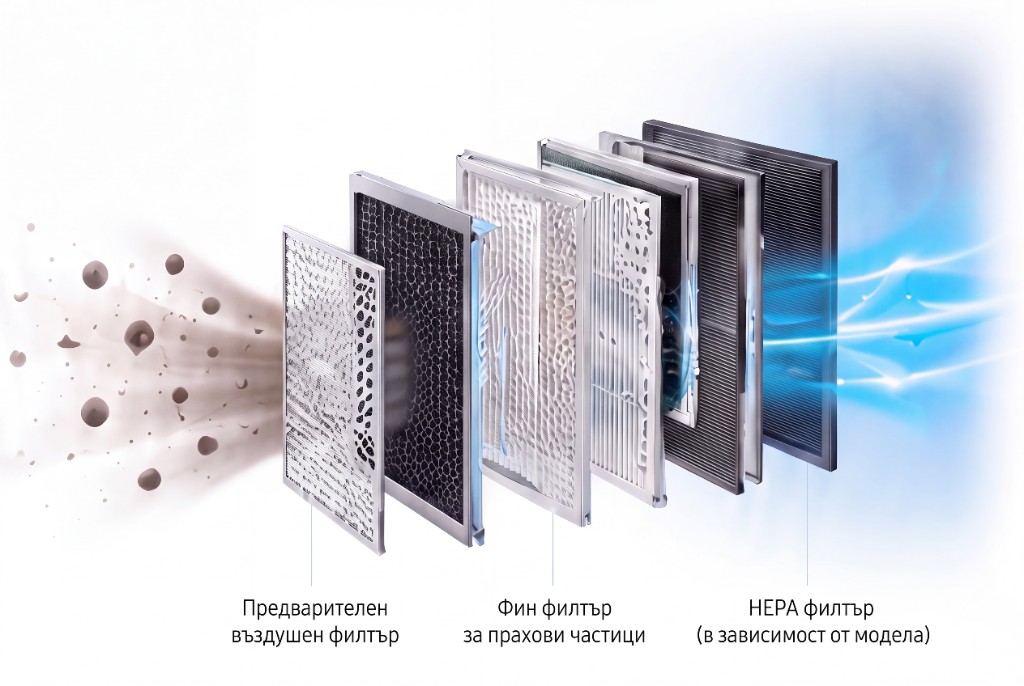
The atmospheric generator draws air from the room or outdoor environment through a specialised system.
Before reaching the condensation module, the air passes through air filters designed to retain certain dust particles and other contaminants.
Condensation — turning moisture into water
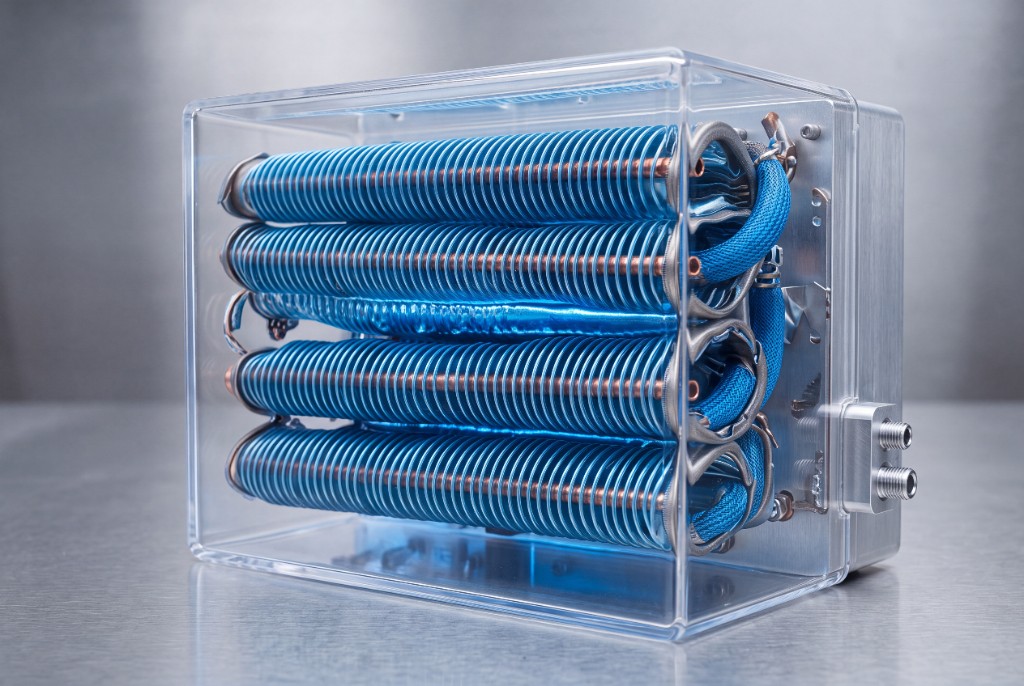
After filtration, the air passes through a cooling system.
When the temperature falls below the dew point, part of the water vapour condenses and changes from gas to liquid.
Output depends mainly on temperature, relative humidity and the machine's technical characteristics.
Collecting the produced water
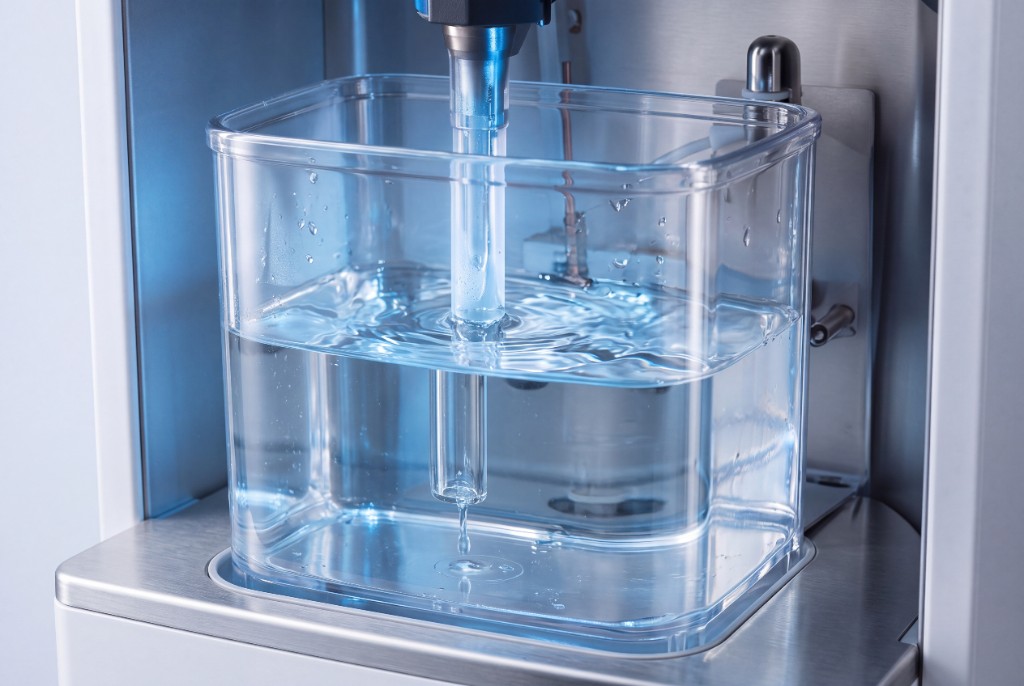
After condensation, the water is collected in a dedicated system and directed to the purification modules.
At this stage it should not yet be treated as ready drinking water.
To be suitable for consumption it must pass through the relevant treatment and quality-control stages.
Multi-stage filtration
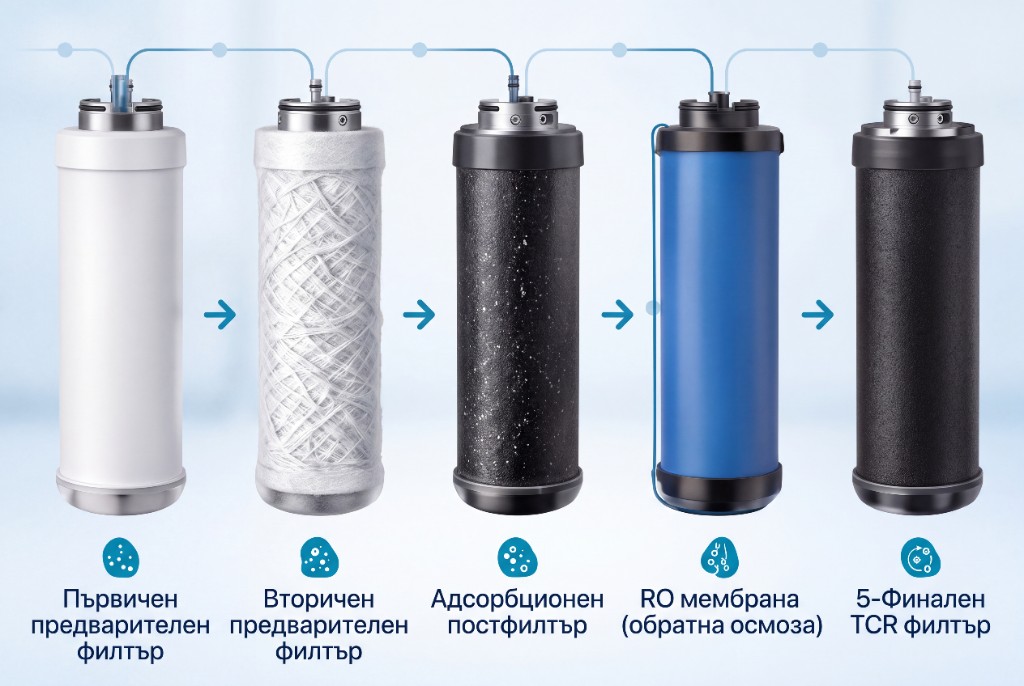
The produced water passes through successive filters that perform different functions.
Depending on the model, the system may include pre-filters, adsorption filters, a reverse-osmosis membrane and a final filter to improve taste.
The goal is to reduce certain unwanted substances and provide suitable water characteristics for later use.
UV disinfection
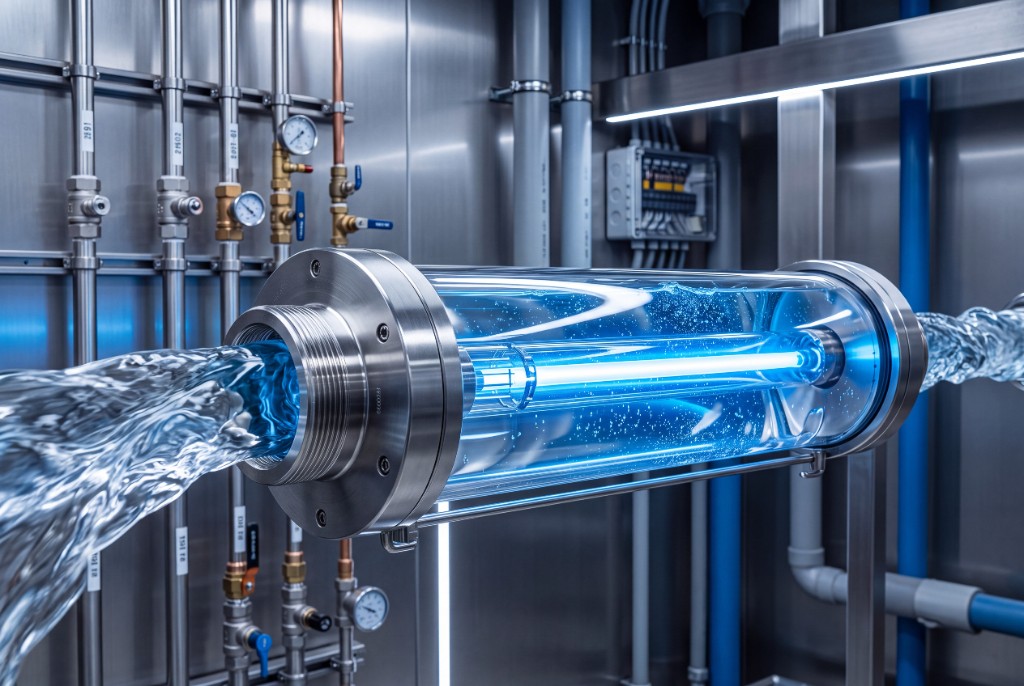
On models equipped with a UV system, water receives additional ultraviolet light treatment.
UV technology is a widely used method for removing certain microorganisms.
With an appropriate UV dose and correct operation it can contribute to the microbiological safety of the water.
Unlike chemical disinfection methods, UV treatment does not require adding chlorine.
Storage and ready water
After the required treatment stages, water enters a storage tank.
Depending on the model it can be dispensed as cold water, room-temperature water or hot water.
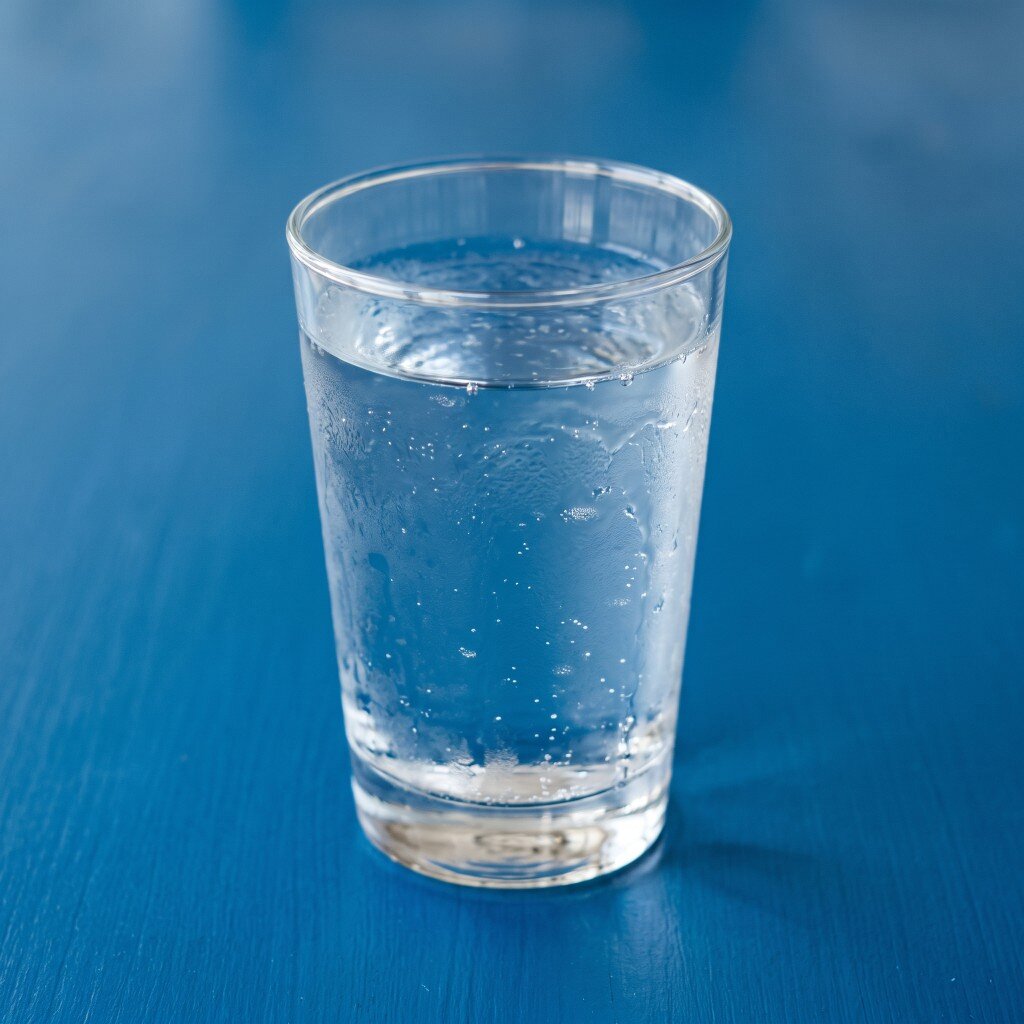
Cold water
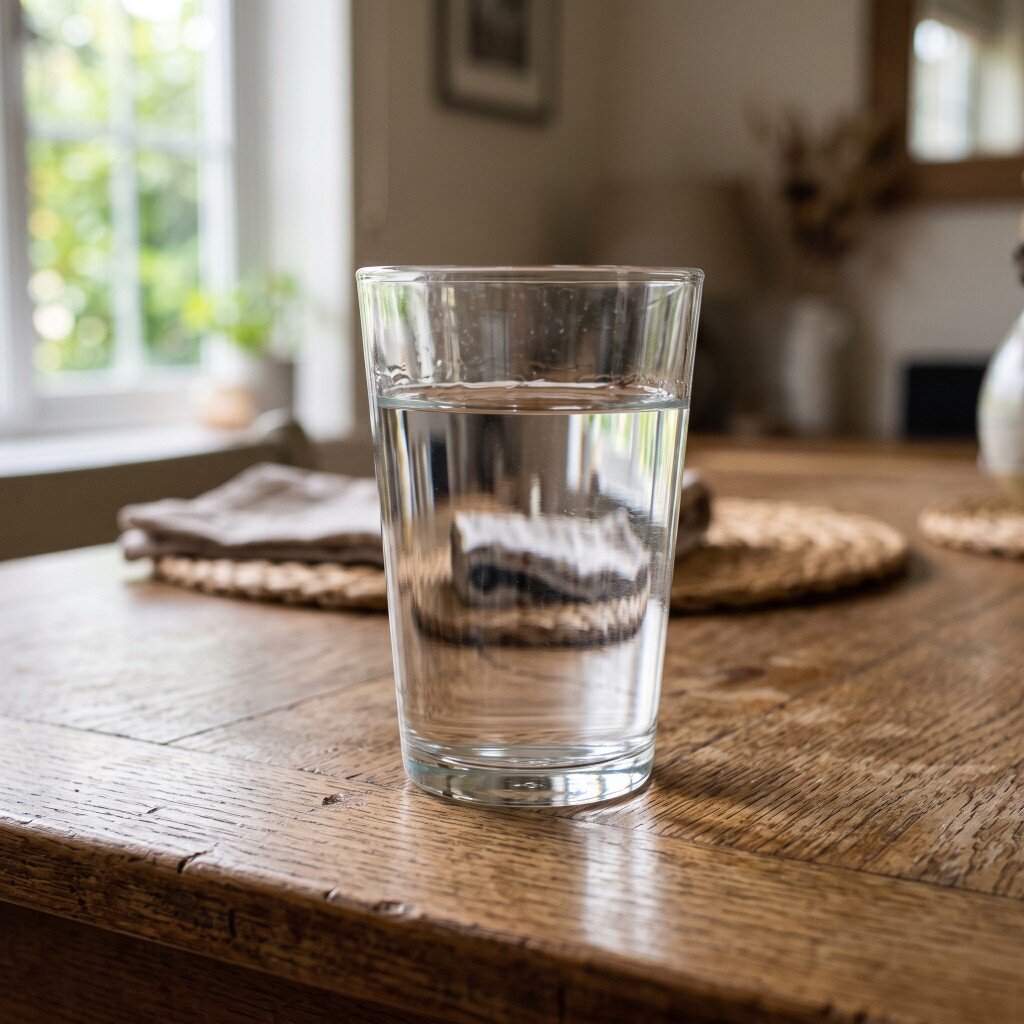
Room temperature
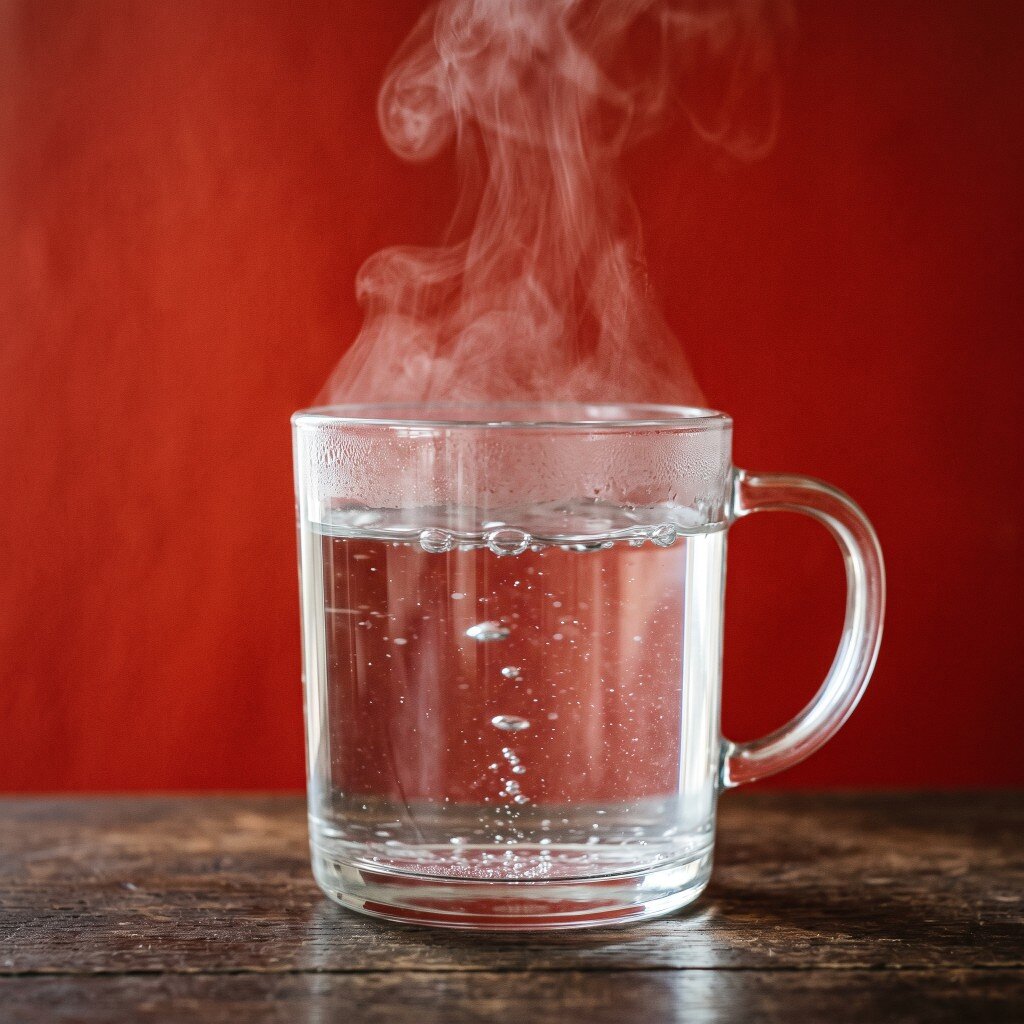
Hot water
What do you get?
The result of the process — clean water ready for everyday use.
A constant source
Water produced directly from air.
Hot and cold water
Suitable for drinking, coffee, tea and cooking.
Less plastic
No dozens of bottles and jugs every month.
Different capacities
Models for home, office or site needs.
Reverse osmosis — fine purification technology
What is Reverse Osmosis (RO)?
Reverse osmosis is a water purification technology that uses a semi-permeable membrane to separate water from a large share of dissolved substances.
Under pressure, water passes through the membrane while a significant portion of dissolved salts and other impurities is retained and flushed away with the concentrate.
What can reverse osmosis reduce?
- Certain heavy metals and their ions.
- Dissolved salts.
- Some organic contaminants.
- Certain chemical compounds.
- Microbiological contaminants in a correctly designed and maintained system.
How fine is the filtration?
Contaminants are not always visible
To understand the scale of membrane filtration, we can compare indicative sizes of different particles.
| Particle or component | Approximate size |
|---|---|
| Ordinary dust particle | 50 μm |
| Bacterium | 0.5 μm |
| Virus | 0.02 μm |
| Stated size for heavy-metal ions | 0.005 μm |
| Nominal RO membrane size in the provided material | 0.0001 μm |
Sizes are illustrative and not universal for every particle in each category. Separation by reverse osmosis depends not only on size but also on membrane properties and the dissolved substances.
What does this mean for water quality?
Reverse osmosis can significantly reduce certain contaminants, but final quality should be confirmed with appropriate laboratory tests.
Clean water is not simply water that looks clean. What matters is what it contains and how it has been treated.
What is the role of air filtration?
Process quality begins before water is formed
Unlike traditional systems that treat already available liquid water, atmospheric generators use air as the initial source.
That is why air filtration is an important part of the technology.
Depending on construction and filters used, the system may retain:
- Coarser dust particles.
- Certain fine dust particles.
- Some aerosol contaminants.
- Other particles according to the filter class and characteristics.
Why do we use UV technology?
Additional protection through light
Ultraviolet treatment is an established method for water disinfection.
At an appropriate dose, UV light can damage the genetic material of certain microorganisms and hinder their reproduction.
Benefits of UV treatment:
- Does not require adding chlorine for the process itself.
- Can inactivate certain bacteria, viruses and other microorganisms.
- Does not substantially change the mineral composition of the water.
- Can be integrated as an extra stage in a multi-stage purification system.