Advantages of Atmospheric Water
Cleaner water. Lower costs. More independence.
- Clean and safe water
- Lower costs
- Less plastic
- Full independence
Quality drinking water – because health starts with what we drink
Clean water is not just clear water
Water can look perfectly clear, have no odour and taste pleasant, yet still contain substances that we cannot detect with the naked eye.
Potential contaminants of drinking water include heavy metals, pesticides, organic compounds and microorganisms. Their presence and concentration depend on the water source, the environment, the condition of the water supply infrastructure and the treatment methods used.
That is why at Cup of Air we rely on a technology that does not simply produce water, but includes successive stages of treatment.
Depending on the model, the systems may include:
The quality of the water produced depends on the specific system, operating conditions and proper maintenance.
Why is water quality so important for the human body?
Water quality determines quality of life
Water is at the foundation of our health, daily life and comfort. It takes part in almost all vital processes in the human body, but how often do we think not only about the quantity we take in, but also about its quality?
The human body contains a large amount of water, which performs essential functions in sustaining life.
- Transports nutrients.
- Regulates body temperature.
- Helps remove waste products.
- Takes part in the normal functioning of the organs.
Sufficient intake of safe drinking water supports the normal functioning of the body, concentration, physical activity and thermoregulation.
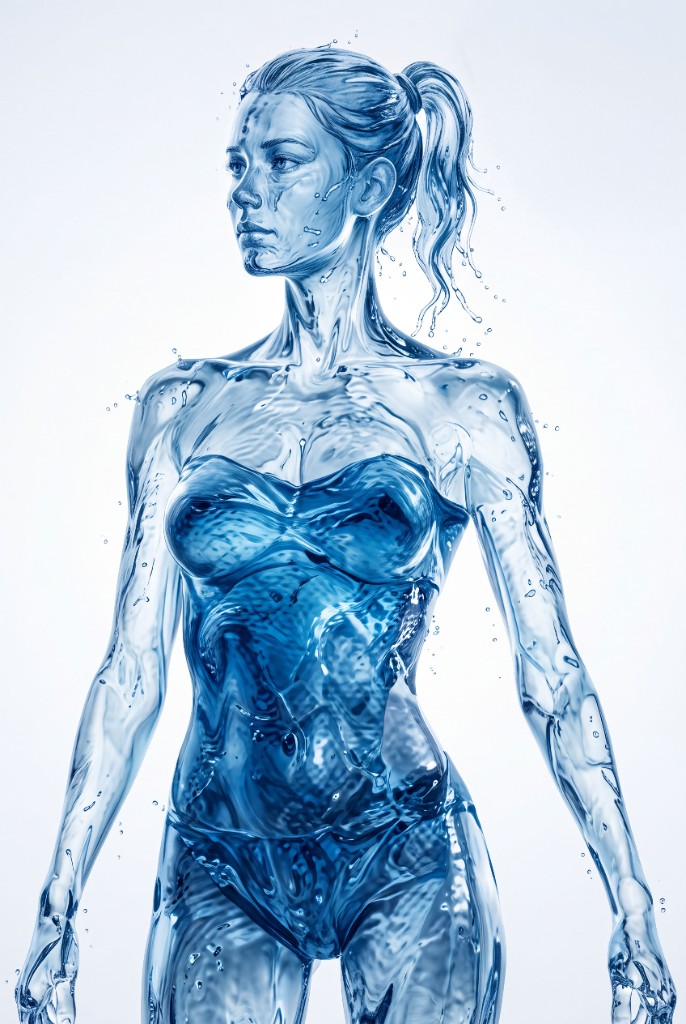
Approximate water content in various organs and tissues:
| Organ or tissue | Water content |
|---|---|
| Brain | 73–75% |
| Lungs | 80–83% |
| Heart | About 73% |
| Muscles | 75–79% |
| Kidneys | About 79% |
| Blood | About 80% |
| Bones | 20–30% |
The values shown are approximate and vary according to age, physiological characteristics and the measurement method.
Quality control – protection from invisible contaminants
Do you know what may be in your water?
Not all substances in water are dangerous. Some minerals are a natural and beneficial part of its composition.
However, there are contaminants that, at certain concentrations and with prolonged exposure, can have an adverse effect on health.
What is the Cup of Air solution?
Instead of using water from an external liquid water source, Cup of Air technology extracts water vapour from the air and turns it into liquid water.
After condensation, the water produced passes through a specialised treatment system.
In models with reverse osmosis, the membrane technology can reduce the concentrations of a range of dissolved contaminants. UV treatment complements the process through disinfection.
This allows consistent technological treatment of the water at the very place of production.

| Potential contaminant | Why is controlling it important? |
|---|---|
| Lead (Pb) | Can damage the nervous system and the kidneys. It is especially dangerous for the development of children. |
| Mercury (Hg) | Certain forms can have a toxic effect on the nervous system and the kidneys. |
| Cadmium (Cd) | Prolonged exposure can lead to damage to the kidneys and the skeletal system. |
| Arsenic (As) | Prolonged exposure to inorganic arsenic is associated with an increased risk of certain diseases. |
| Nitrites | At high concentrations they can be particularly dangerous for infants. |
| Pesticides | Some compounds can pose a health risk depending on the concentration and duration of exposure. |
| Trihalomethanes | Certain compounds in this group are associated with long-term health risks. |
| Trichloroethylene (TCE) | May have toxic effects on various organs and is associated with an increased risk of certain cancers. |
Your own water source – independence that changes everyday life
Why wait for water to arrive when you can produce it?
Traditional access to drinking water is often tied to plumbing infrastructure, bottling, transport, deliveries and storage.
Cup of Air offers a different approach.
Using the moisture naturally contained in the air, atmospheric generators produce water directly where it is needed.
What does this mean for you?
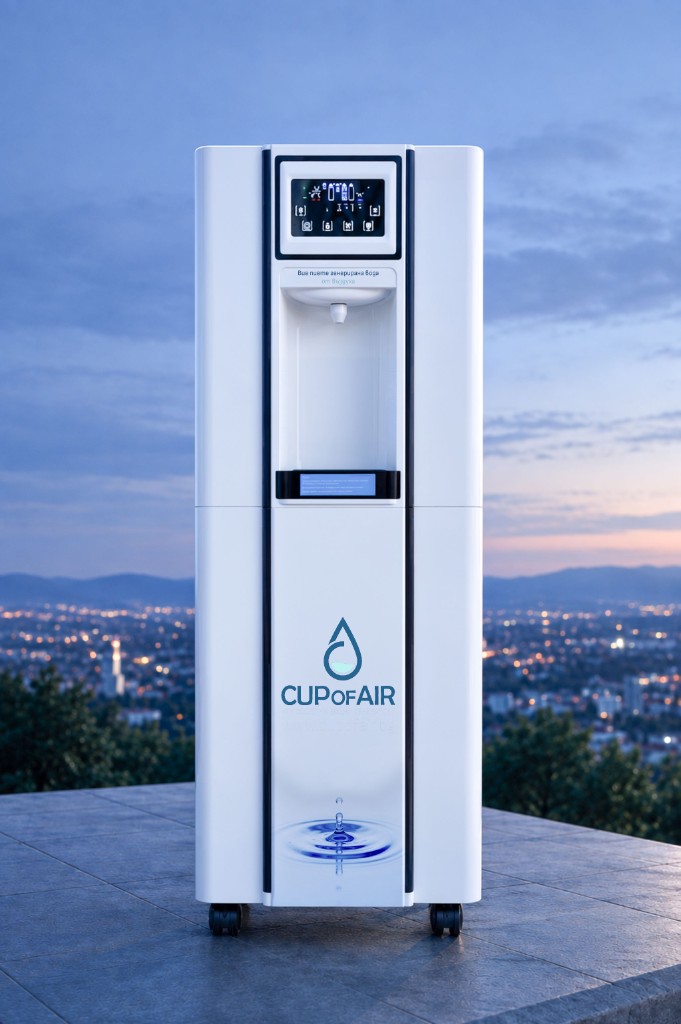
Lower costs and more efficient resource management
Water has a price. But what does everything around it cost?
When we buy bottled water, we pay not only for the product itself, but also for costs related to packaging, transport, distribution and logistics.
For businesses this often means additional work on ordering, deliveries, storage and inventory management.
With Cup of Air, some of these processes can be replaced by local water production.
The potential economic advantages include:
- Lower costs for purchasing and delivering bottled water.
- Less storage space required.
- Less administrative time spent organising deliveries.
- The ability to forecast costs according to consumption.
- Greater control over the resources used.
The cost per litre of water produced depends on energy consumption, climate conditions, capacity, maintenance and the initial investment.
Less plastic. Less logistics. More responsible consumption.
A technology that can reduce the need for single-use packaging
Bottled water is linked to the production of packaging, transport and waste management after use.
When water is produced directly at the place of consumption, the need for some of these activities can be reduced.
With Cup of Air you can:
The actual environmental impact depends on the electricity used, the performance of the machine, consumables and the comparison with the alternative way of supply.
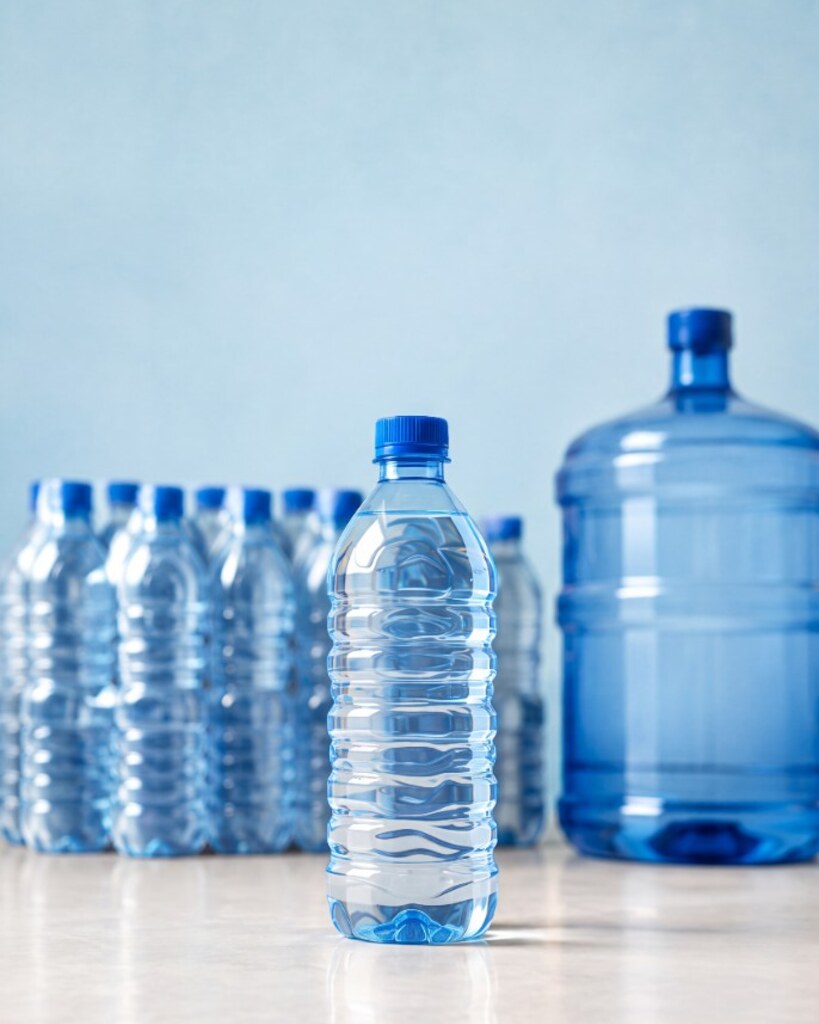
Drinking water where you need it
A technology that adapts to different environments
The need for drinking water is different for every household, office or production site.
That is why Cup of Air offers solutions with different production capacities and applications.
For the home
Drinking water for daily consumption, preparing drinks and cooking, without the need for constant bottle deliveries.
For the office
Convenient access to drinking water for employees and visitors, with the potential to reduce delivery and storage costs.
For hotels and resorts
An additional local source of drinking water that can be integrated into the service for guests and staff.
For business and production sites
The ability to plan water supply according to the number of employees, daily consumption and the conditions of the site.
For remote locations
An alternative way to provide water in areas where building traditional water supply infrastructure is difficult.
Water quality is a matter of technology, and independence is a matter of choice
For decades we have taken it for granted that drinking water must reach us through a water main, a borehole or a delivery.
Today we have one more option.
To produce water directly from the air around us.
Cup of Air combines modern technologies for extracting atmospheric moisture with water treatment and filtration, to offer a new approach to everyday water supply.
This is a technology that creates real added value – more convenience, fewer logistics commitments, the possibility of controlled production and greater independence.
We are not simply offering you water.
We offer you the peace of mind of having your own source, the freedom to reduce your dependence on deliveries, and the ability to manage one of the most valuable resources more efficiently.