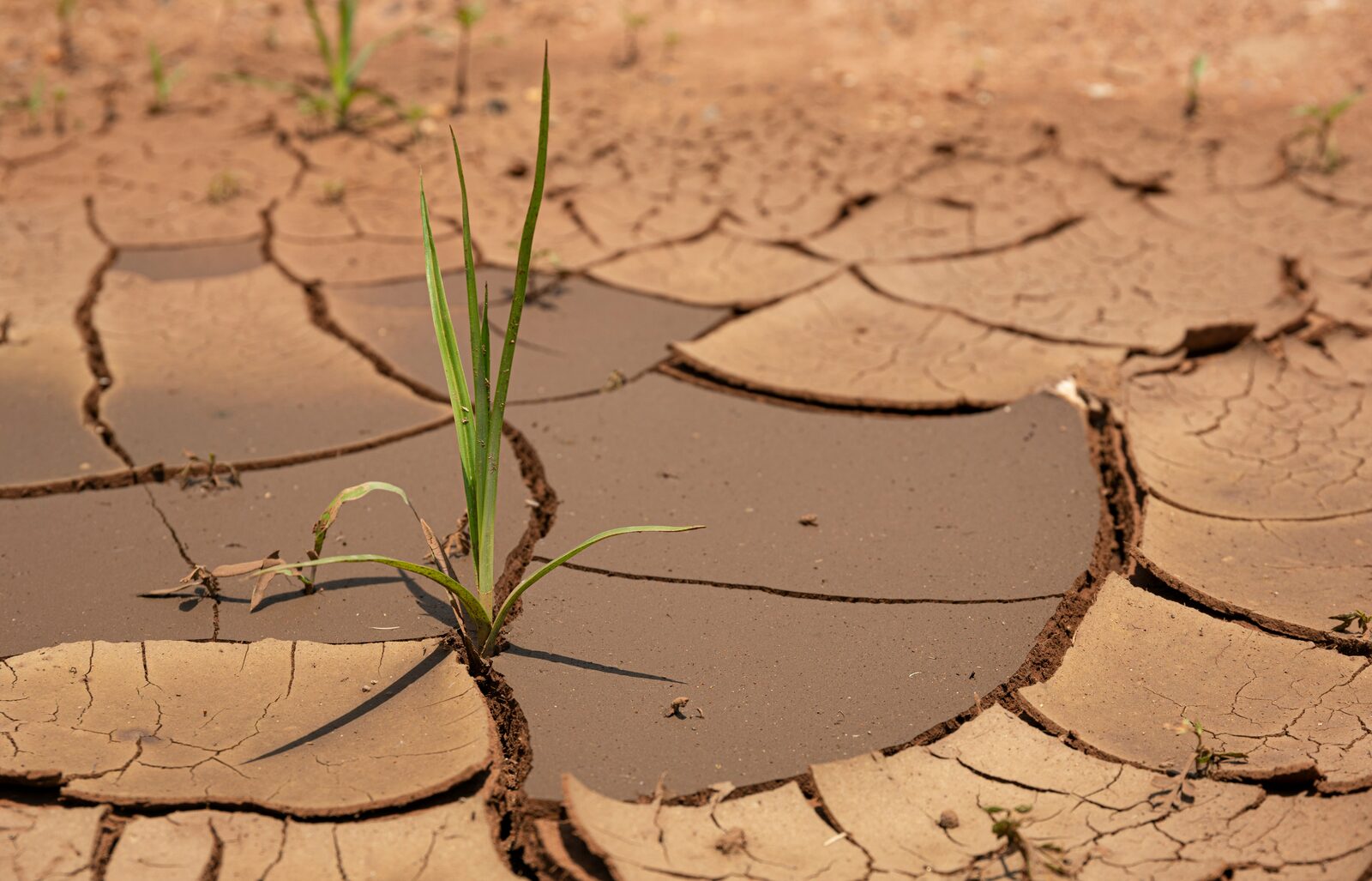
When we ask artificial intelligence a question, we do not see a factory.
We do not see a smokestack. We do not see water. We only see an answer on the screen.
Behind it sit huge data centers, thousands of high-performance processors, electricity — and cooling.
And cooling often means water.
Why does AI need water?
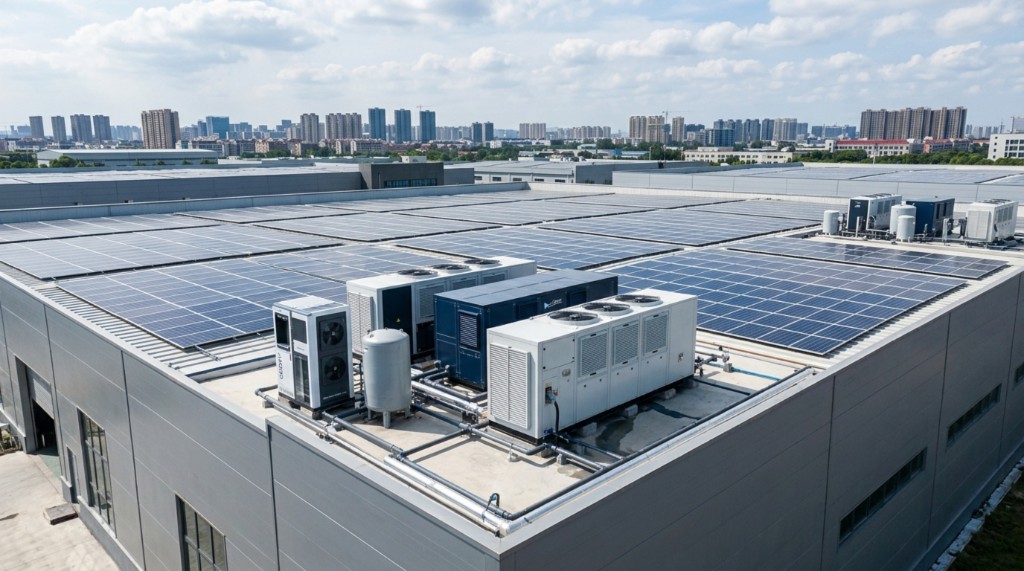
Servers generate enormous amounts of heat.
The more intensive the computation, the harder it is to remove that heat.
That is why some data centers use water-based or evaporative cooling systems.
There is also a second, less visible water footprint: water used to generate the electricity that powers the facility.
So there is no single universal figure for “how much water AI uses.”
The answer depends on location, climate, cooling type, power mix, workload, and the specific data center.
How fast is the infrastructure growing?

Very fast.
According to the International Energy Agency, data centers used roughly 415 TWh of electricity in 2024 — about 1.5% of global electricity consumption.
The IEA forecasts around 945 TWh by 2030.
AI is a major driver of that growth, alongside other digital services.
Source: International Energy Agency, Energy and AI, 2025.
As infrastructure grows, the water question grows with it.
One telling example
In its Environmental Report 2025, Google reports that its data centers in 2024 used approximately:
9.866 billion gallons of water withdrawn and 7.787 billion gallons consumed.
That is not “AI’s water” — these sites run many different digital workloads.
But the scale shows why water is becoming central to the conversation about digital infrastructure.
Source: Google Environmental Report 2025.
How much water can training one AI model cost?
Here we need to be careful.
Researchers from the University of California Riverside and the University of Texas Arlington estimate that training GPT-3 in US Microsoft data centers could directly lead to evaporation of about 700,000 liters of fresh water.
That is a model-based estimate, not an official figure published by OpenAI or Microsoft for that specific training run.
But it highlights something important: the digital world has a physical water footprint.
Source: Li, Yang, Islam & Ren, “Making AI Less Thirsty”, 2023.
The industry is already looking for solutions
The good news is that the issue is not going unnoticed.
Microsoft reports that a new direct-to-chip cooling approach can save more than 125 million liters of water per year at a data center.
The company also aims to be water positive by 2030.
Google reports that in 2024 it replenished 4.5 billion gallons of water, equivalent to 64% of its freshwater consumption.
Sources: Microsoft Environmental Sustainability Report 2025; Google Environmental Report 2025.
That is where the sector is heading: more efficient cooling; reuse; non-potable sources; water restoration; better siting; local alternative sources.
And that raises an interesting question
Should tomorrow’s high-tech infrastructure depend on a single water source?
Probably not.
Not every use in a tech campus needs drinking water. Not every task needs the same source. Not every site has the same water availability.
A more logical model is a water mix: reused water for some processes; rainwater for others; municipal supply where needed; and locally produced water as a supplementary source where technology and climate allow.
Can water from air have a role?
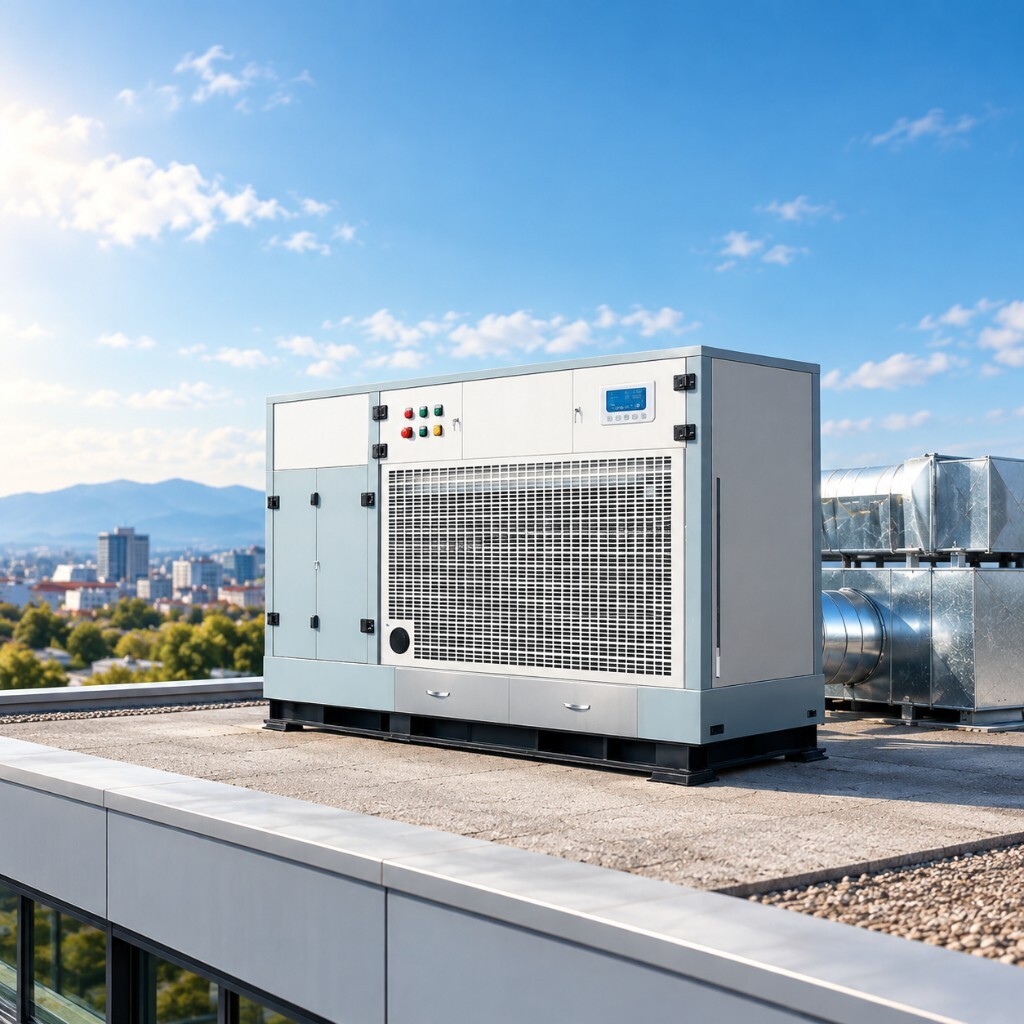
Atmospheric water generators will not cool global AI infrastructure on their own — and we should not assign them that role.
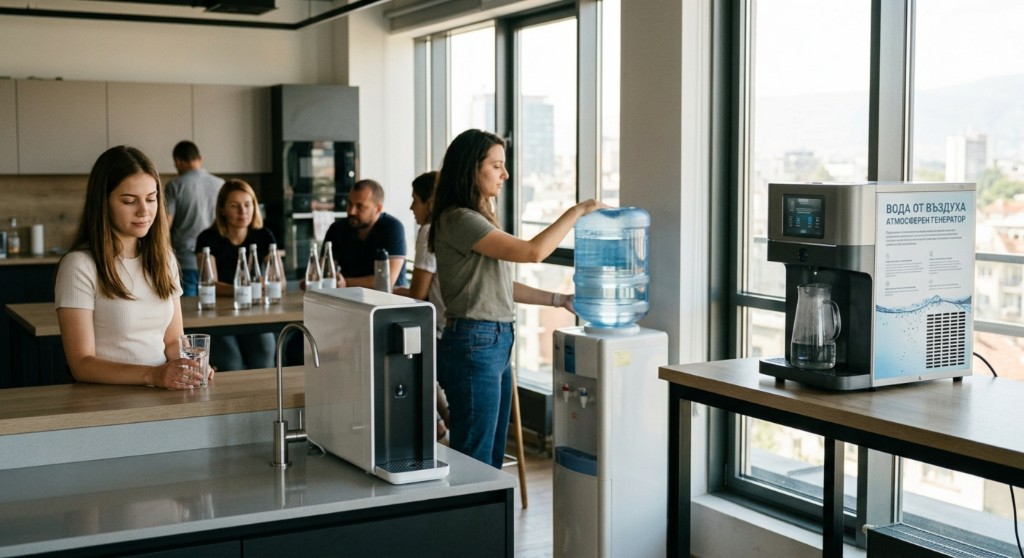
They can still be part of a more decentralized water approach — for example on-site drinking water for staff, offices, support areas, or sites where deliveries and local infrastructure are limited.
That shifts the conversation from “which technology will fix this?” to “which combination of technologies will we use?”
The next AI revolution may also be about water
Today we talk a lot about processors, electricity, and carbon emissions.
Tomorrow we will probably talk just as much about water.
Because AI may live in the cloud — but the infrastructure behind the cloud is entirely physical. And it is thirsty too.
Sources
International Energy Agency — Energy and AI, 2025
Google — Environmental Report 2025
Microsoft — Environmental Sustainability Report 2025
Li, P.; Yang, J.; Islam, M.A.; Ren, S. — Making AI Less “Thirsty”, 2023
Lawrence Berkeley National Laboratory — 2024 United States Data Center Energy Usage Report