Two litres of water can look identical yet differ in mineral composition, acidity, hardness and quality. Clarity is not a guarantee of purity, high pH is not necessarily an advantage, and how much water we need is individual.
What actually determines water quality, and how do we make an informed choice for everyday hydration?
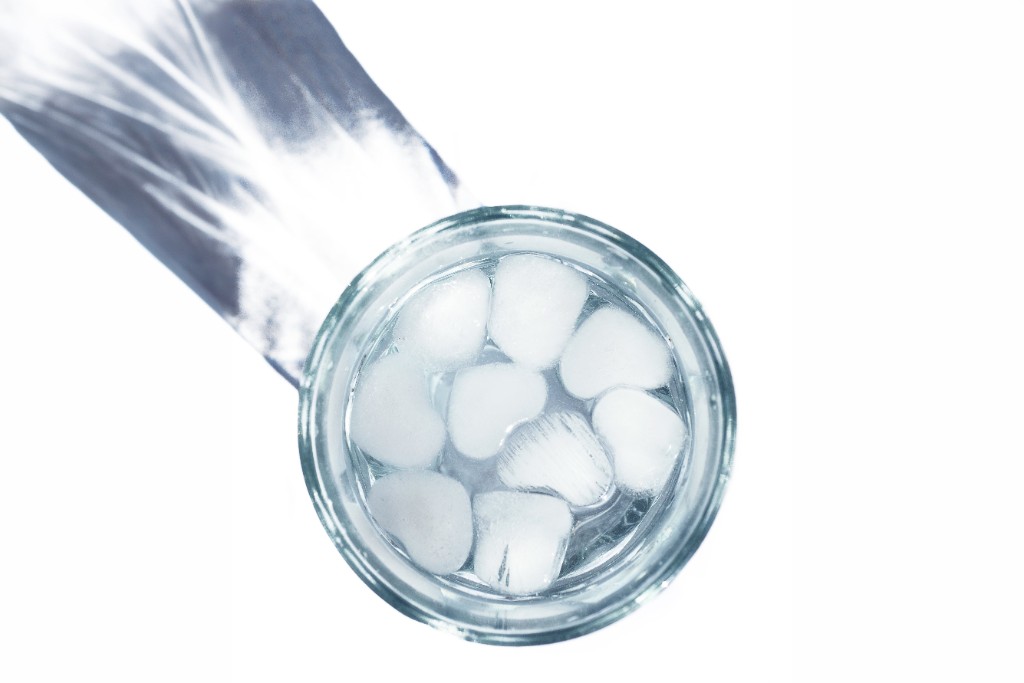
Water properties and why they matter for the body
Water makes up roughly 50–65% of an adult’s body mass. Its physical and chemical properties make it central to many biological processes:
- Regulating body temperature.
- Transporting nutrients and minerals.
- Supporting normal brain function.
- Supporting digestion and kidney function.
- Maintaining electrolyte balance.
Water’s ability to dissolve substances explains both its natural mineral content and the risk of unwanted chemical contaminants.
That is why drinking-water quality matters as much as the amount we drink.
How much water should we drink each day?
The popular “eight glasses a day” rule is not universal. Daily needs depend on age, activity, diet, temperature and individual health.
The European Food Safety Authority (EFSA) gives these indicative values:
| Group | Total daily intake |
|---|---|
| Women | 2 litres |
| Men | 2.5 litres |
| Pregnant women | 2.3 litres |
| Breastfeeding women | 2.7 litres |
| Children aged 4–8 | 1.6 litres |
These amounts include water from both drinks and food.
Insufficient hydration can show up as fatigue, headache, lower concentration, dry mouth and dark urine.
A good water balance comes from regular intake through the day — not from drinking large volumes at once.
Minerals in water — what are we actually drinking?
Mineral composition depends on origin, geology and treatment technology.
Key minerals and dissolved substances in drinking water include:
- Calcium — important for bones, teeth and muscle function.
- Magnesium — involved in energy metabolism and nervous-system function.
- Potassium — supports normal muscle function.
- Sodium — helps regulate water and electrolyte balance.
- Bicarbonates — influence buffering capacity and taste.
Interesting fact: if one litre of drinking water contains 50 mg calcium and 20 mg magnesium, two litres provide an extra 100 mg calcium and 40 mg magnesium.
High mineralisation does not automatically mean higher quality. The specific composition matters more than the total dissolved load alone.
What is water pH and which values are optimal?
pH indicates how acidic or alkaline water is.
- Below 7 — acidic water.
- 7 — neutral water at about 25°C.
- Above 7 — alkaline water.
Under European requirements the usual indicative range for drinking water is 6.5–9.5 pH, with certain regulatory exceptions.
Contrary to popular claims, alkaline water is not necessarily healthier. The human body has its own mechanisms for acid–base balance.
pH is an important indicator, but it cannot alone prove that water is safe to drink.
How can we recognise good drinking water?
Whether mineral, spring, tap or filtered, water quality should be assessed as a whole.
Clean taste and no odour are not enough to prove safety. Reliable assessment needs laboratory control.
| Indicator | What it measures |
|---|---|
| pH | Acidity and alkalinity |
| Mineralisation | Dissolved mineral content |
| Hardness | Mainly calcium and magnesium concentration |
| TDS | Total dissolved solids |
| Chemical analysis | Potential chemical contaminants |
| Microbiological analysis | Microbiological safety |
Water as a resource: beyond traditional sources
About 71% of Earth’s surface is covered by water, yet only around 2.5% of global water resources are freshwater.
That raises questions not only about drinking-water quality, but about how we will secure supply in the future.
One alternative resource is all around us — atmospheric moisture.
Modern atmospheric water generators extract moisture from air by condensation. The water then goes through filtration, purification, mineralisation and disinfection depending on the technology.
Producing drinking water from air can supply water at the point of use without a connection to the central network.
That is the principle behind Cup of Air solutions for homes, businesses and industry.
The next big change in how we consume water may start with how we produce it.
Learn more about producing water from air at cupofair.bg.
Want reliable drinking water at home or at work?
Request a quote