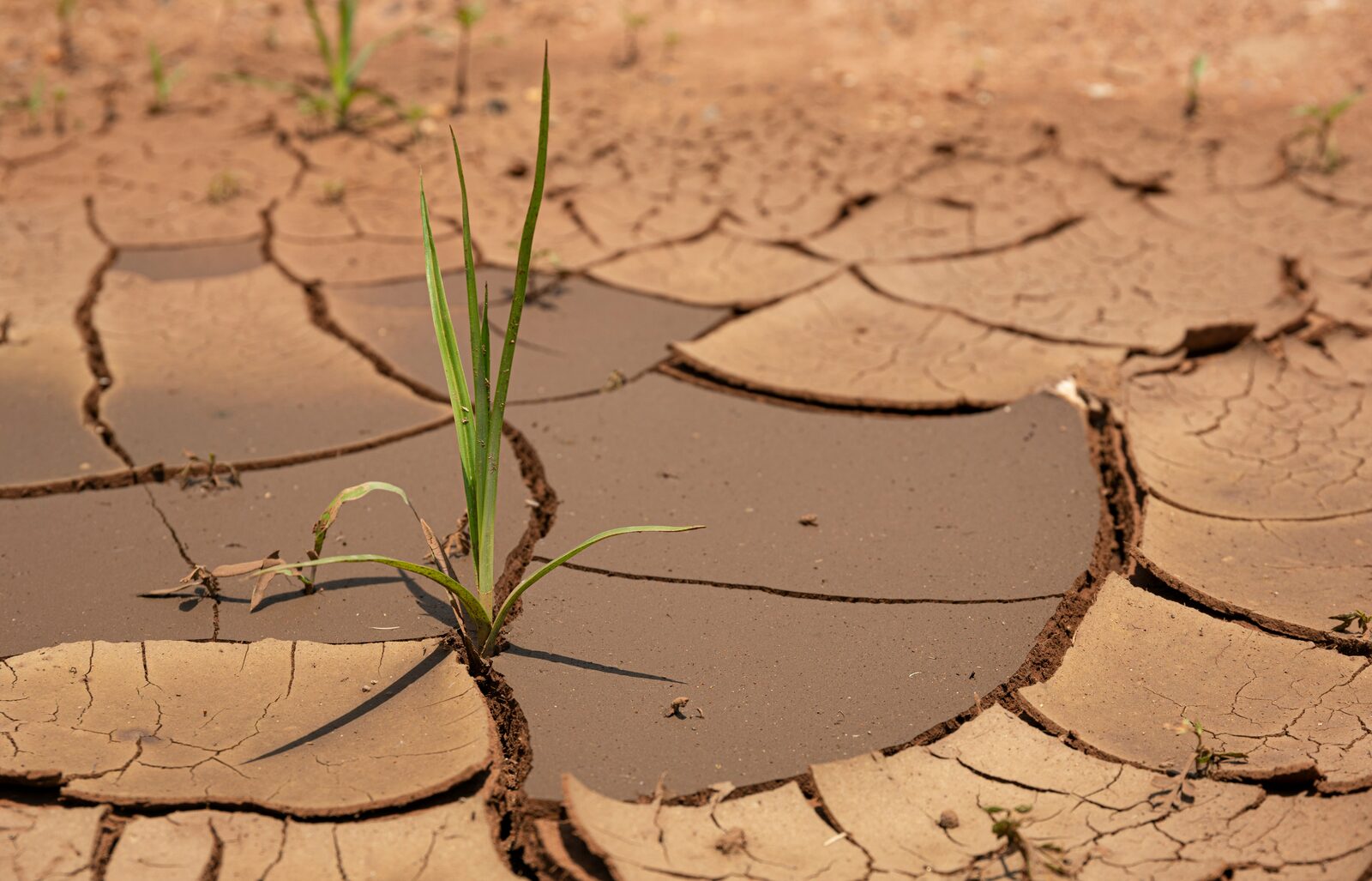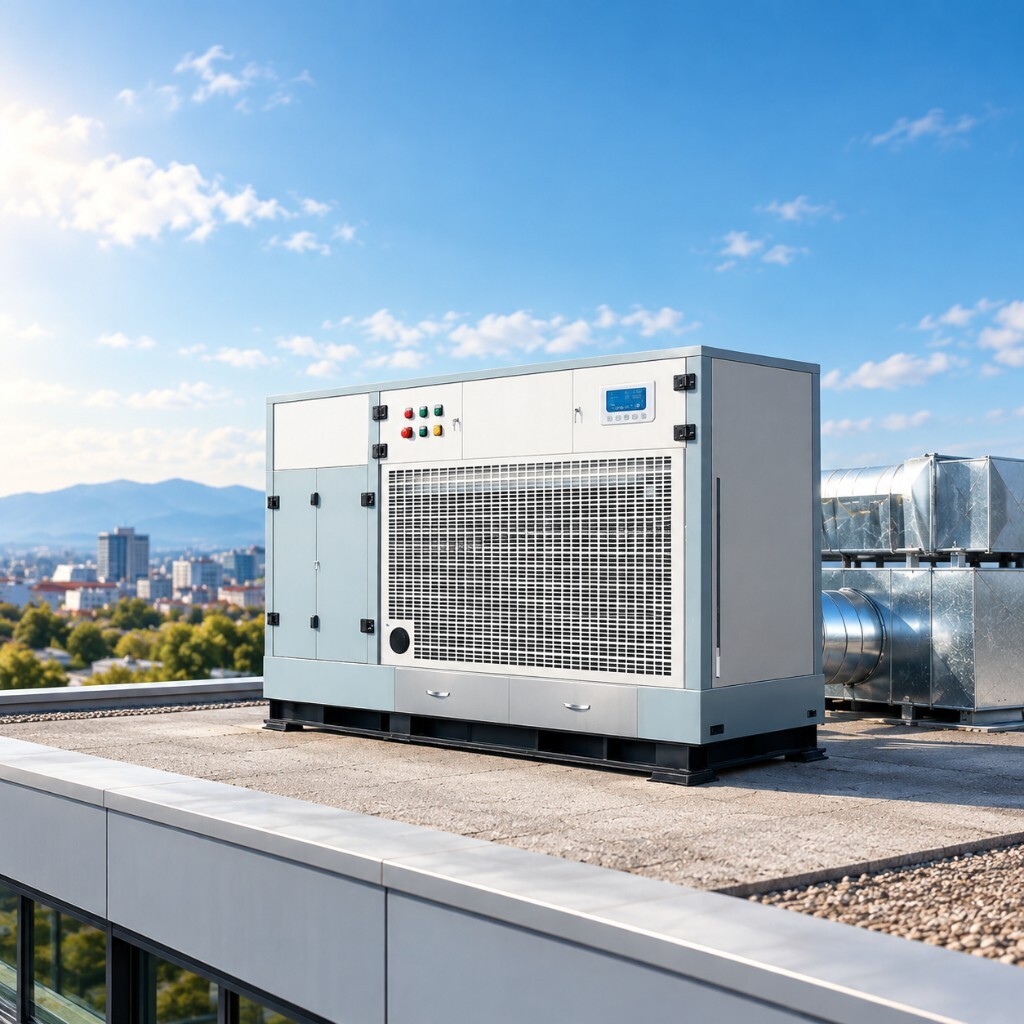
About twenty years ago, a building’s roof had a relatively simple job. Today it increasingly hosts technology that produces part of the energy people need inside.
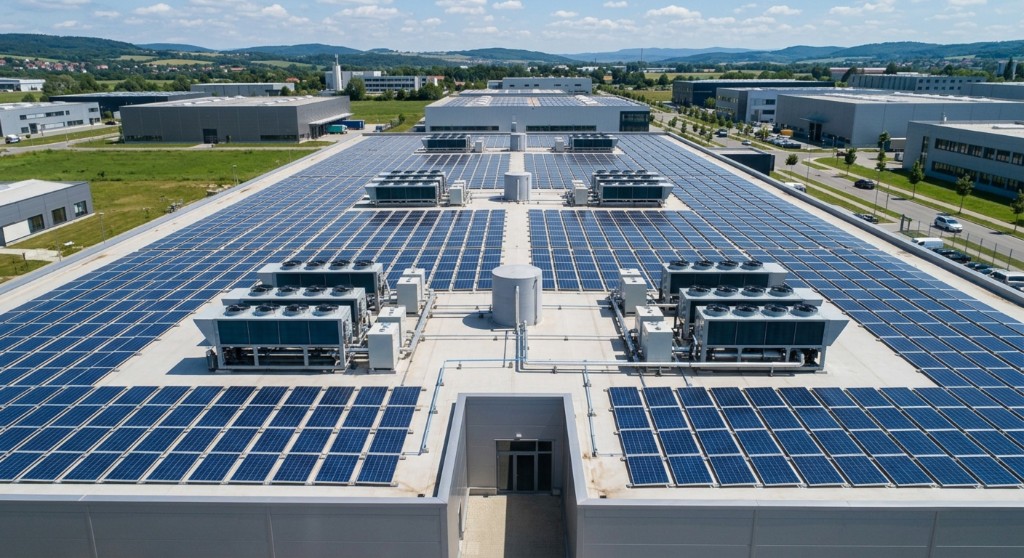
This is one of the more interesting shifts in how we think about buildings. They are gradually stopping being only end points of large infrastructure networks and starting to produce, store and manage resources themselves.
Photovoltaics are the most visible example. According to the International Energy Agency, global electricity generation from solar PV roughly doubled between 2021 and 2024. In 2024 alone, the increase was about 480 TWh.
More interesting than the numbers themselves is the change in mindset. We no longer find it unusual for a hotel, logistics hub, factory or private home to produce part of its own electricity.
With water, we still mostly think in the old model.
From centralised supply to local production
Urban water supply is one of the most important engineering achievements of modern society and is hard to replace. Water is abstracted, treated, stored and delivered to millions of people through vast infrastructure.
There is little reason for that system to disappear.
But the electricity grid did not disappear when we started putting solar panels on roofs either.
The change was something else: we added local production on top of central infrastructure.
That is exactly where the parallel with water becomes interesting.
At any moment the atmosphere holds roughly 12,900–13,000 cubic kilometres of water as vapour. That is a small share of Earth’s total water, but it is a huge, constantly renewing atmospheric reservoir.
For a long time it barely featured in how we supply a building with water. Atmospheric water generation technology is starting to change that.
A building that produces two resources
Imagine an industrial site with a photovoltaic system. During the day the roof turns solar radiation into electricity. Part of that energy is used directly by the building, part can be stored, and part can power a system that produces water from atmospheric moisture.
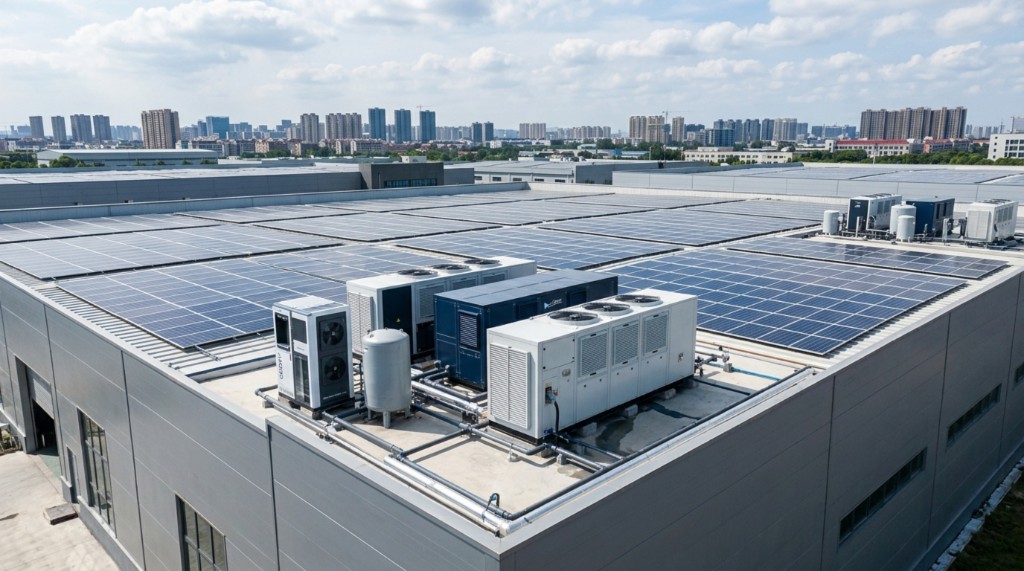
In that model, two resources we traditionally receive from outside start — at least partly — to be produced on site.
That does not make the building fully independent. And this is where it matters not to turn an interesting technology into a utopia.
Producing water by condensation needs electricity. How much water a system can produce depends heavily on temperature and relative humidity. In a cold, dry climate the task is much harder than in warm, humid air.
So the question is not whether every building should have an atmospheric water generator.
Obviously not.
The question is for which buildings local water production starts to have real value.
A hotel, a factory and a house do not share the same answer
For a home in a city with reliable, affordable water supply, the economic logic is one thing. For a hotel with heavy seasonal demand — another. For a remote production site, campsite, mountain property or area with periodic supply constraints — a third.
And that is probably where the future of the technology lies.
Not in replacing the mains, but in starting to treat water as a resource that, in certain situations, can be produced in a decentralised way.
We already watched the same transition with electricity.
The next step is resource autonomy
In recent years there has been a lot of talk about “smart” and sustainable buildings. We install sensors, automate lighting, manage heating, track consumption and invest in higher energy efficiency.
But the truly interesting shift comes when a building moves from managing resources to producing them.
Photovoltaics did that with electricity. Rainwater harvesting systems already do something similar with rainfall. Atmospheric generation adds another option — using moisture in the air.
I do not think that in ten years we will see an atmospheric generator on every house the way we see air conditioners today. That kind of forecast would be marketing more than analysis.
But it seems entirely logical to expect something else: that water will increasingly appear in conversations about building autonomy alongside energy.
Twenty years ago the question was how much energy a building used.
Then we started asking how much it could save.
Today we ask how much it can produce itself.
With water, we are only beginning to ask the same question.
And that may be the bigger idea behind water from air — not a new way to fill a glass, but a new way to think about where a building’s resources should come from.
Want advice on local water production for your site?
Request a quote