Water stops due to an accident or scheduled rationing – an everyday reality for many populated areas.
A few hours later, the tap hisses, the pressure returns, and a murky, brown liquid with a sharp smell of rust flows from the faucet.
Everyone knows the unwritten rule: when the water returns after a shutoff, we must let it run for a few minutes without using it – just until the color becomes normal.
But is its consumption truly completely harmless once the murky water drains away?
Why does water run brown when it comes back?
Let us trace the physical process along the network:
When the water supply stops, the pipes remain empty, the pressure drops, and air enters the system.
When the water is turned back on, the hydraulic shock dislodges decades-old accumulations of rust, mud, and biofilm along the old asbestos-cement and steel pipes and brings the bitter truth to light:
The tap water that we consume daily and give to our children is not nearly as clean as we like to think.
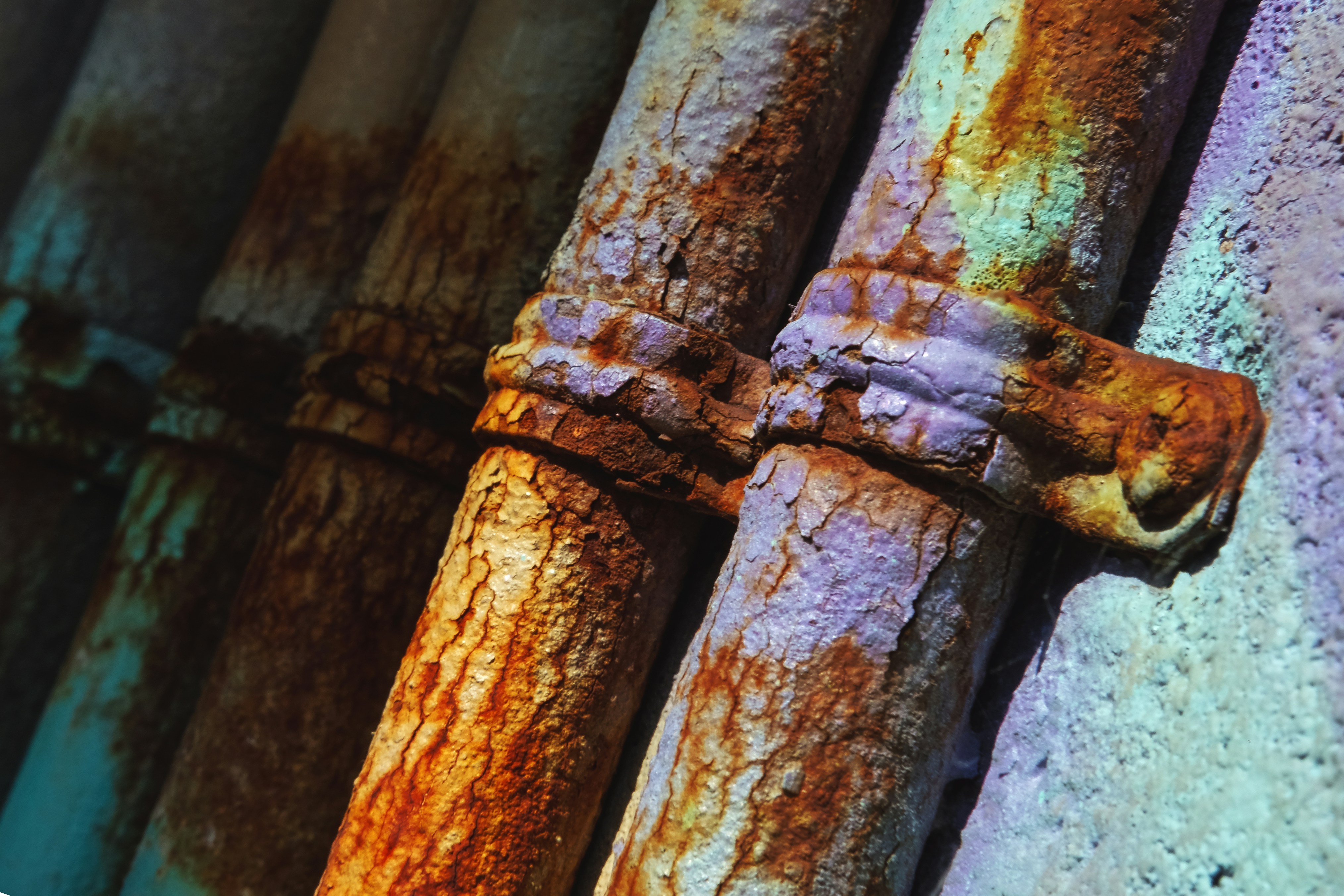
What we are observing is physical proof of the condition of the infrastructure.
According to official data from the Ministry of Regional Development and Public Works (MRRB) and analyses by the World Bank, over 70% of the water supply network in Bulgaria is over 40 years old.
We rely on an infrastructure that has long exceeded its operational lifespan.
Source: Ministry of Regional Development and Public Works (MRRB), Sectoral Strategy for Water Supply and Sewerage Development
The consumer, however, believes they have found a solution.
Their choice comes down to water filter pitchers, under-sink purification systems, or other types of filters.
They equip their homes and establishments with activated carbon filters or reverse osmosis systems, believing that these provide universal protection.
But what does science say, and is this choice real or merely an illusion?
Data from NSF International (the global certification organization for water treatment systems) clearly show that activated carbon filters are designed to absorb chemicals such as chlorine and restricted compounds.
They are not intended to handle high turbidity, mechanical contamination, and the accumulation of heavy metal particles.
When the muddy water reaches the filter:
- The microscopic pores of the activated carbon become clogged with mechanical particles within days;
- Reverse osmosis systems cease to function properly, as their membranes suffer irreversible damage if the pre-filters are not replaced constantly;
- Instead of purifying, the clogged filter turns into an incubator for bacteria.
Source: NSF International – NSF/ANSI 42, 53 and 401: Filtration Systems Standards
Insufficient purification carries serious consequences not only for health, but also for business and the household.
Here lies the crux – the hidden risk to our health and daily routine.
According to the World Health Organization, pressure disruptions in water pipes lead to the detachment of hazardous bacterial biofilms.
In combination with dissolved heavy metals (such as iron and manganese from rusted pipes), the water becomes unfit for consumption.
This problem also takes on practical dimensions in our businesses and homes:
- Establishments risk irreversibly damaging their professional espresso machines from accumulated sediment.
- Households sacrifice food quality and culinary efforts: the chemicals and heavy metals in the water kill yeast and prevent the proper fermentation of dough when preparing homemade bread or pizza.
Source: World Health Organization (WHO), Guidelines for drinking-water quality
The Solution: Water that does not pass through pipes
When there is a problem with the transmission network, the most logical solution is to bypass it entirely.
Why try to filter water that has passed through 50-year-old rusted pipes when you can obtain crystal-clear water extracted directly from the air?
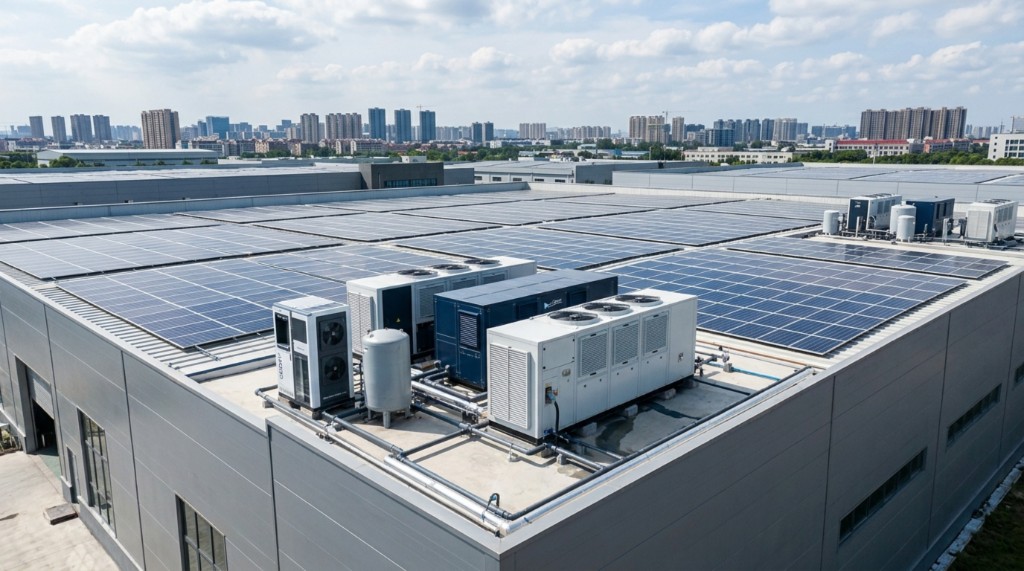
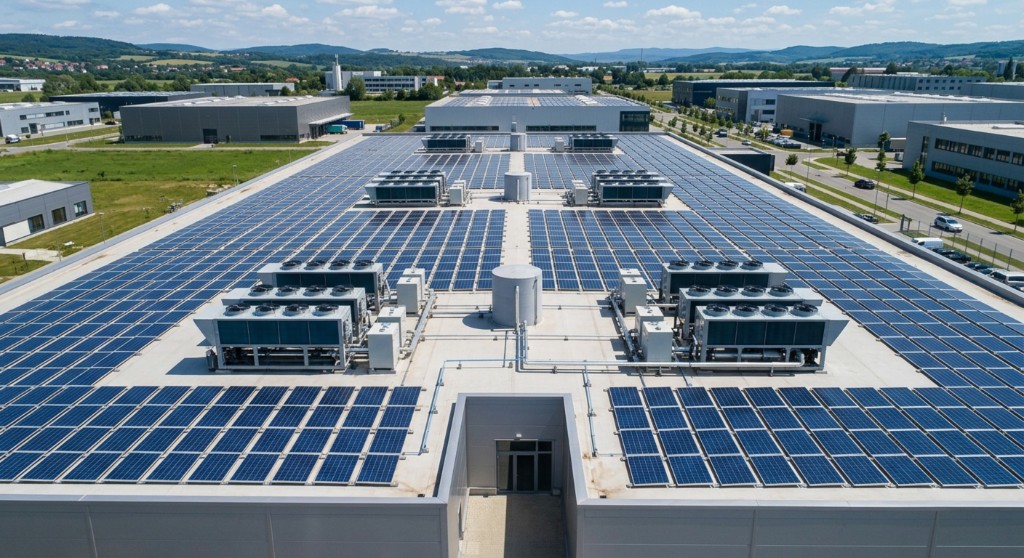
Atmospheric water generators provide an opportunity for complete independence from the amortized water supply network.
This innovative technology extracts moisture from the air, runs it through multi-stage air and water filtration, including UV sterilization, and provides you with completely pure drinking water.
The generator does not care whether there is water rationing, an accident, or a burst pipe.
It requires only electricity.
Because when it comes to our vital need for clean water, health is not subject to compromise.
Sources: