Filtered water does not always mean microbiologically safe water. What is the difference between ordinary filtration, UV treatment, and modern technologies for drinking water production?
We install a filter on the tap, pour a glass of water, and assume it is now sufficiently purified. But have you ever wondered what this filter actually removes?
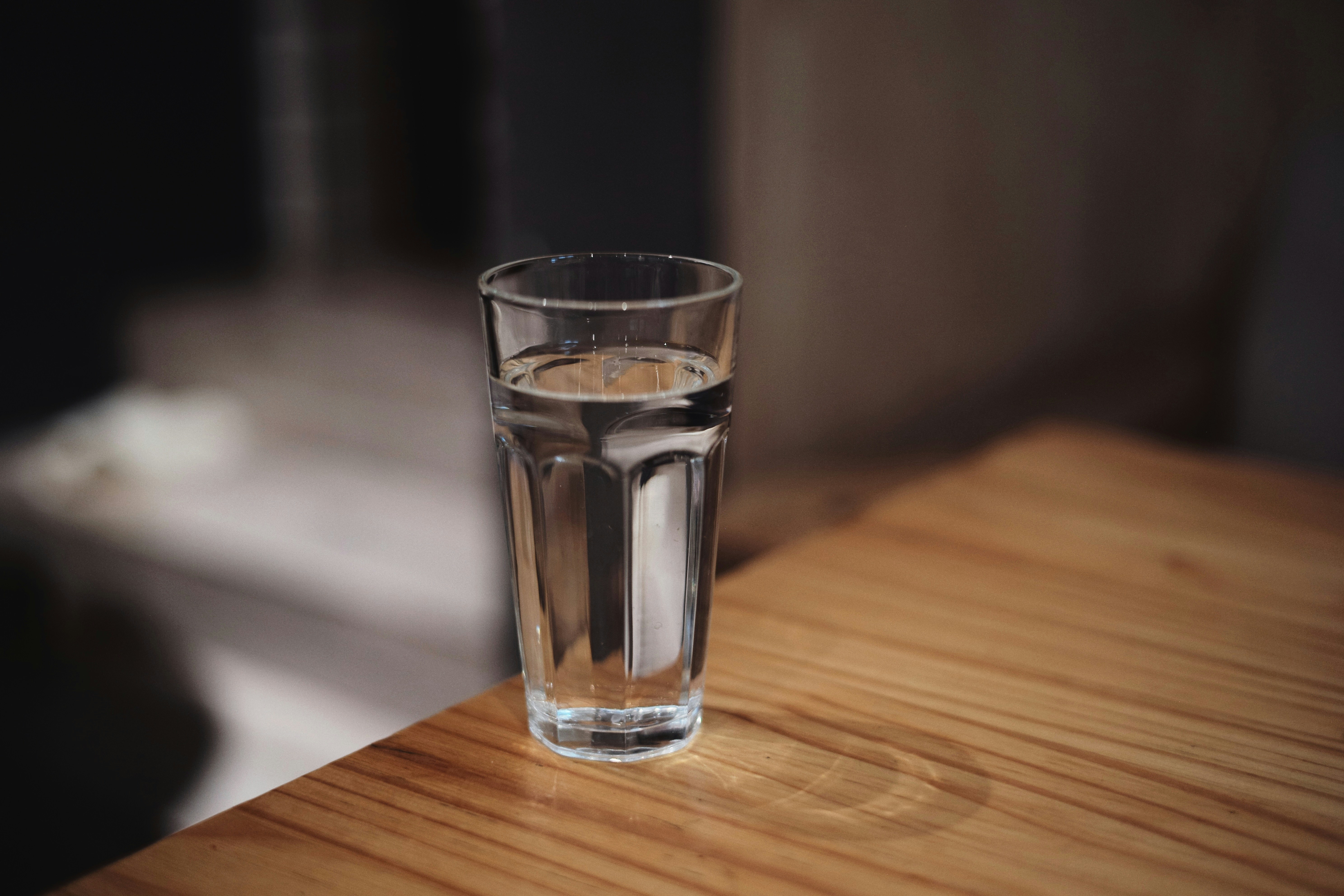
Most people associate filtration with the removal of chlorine, unpleasant taste, odor, and various contaminants. These are important characteristics of drinking water, but they do not provide a complete picture of its quality.
Water can look crystal clear, have no odor, and yet its appearance tells us nothing about the presence of microorganisms.
This is precisely why modern water treatment systems increasingly combine different technologies, each with its specific task.
What Do Tap Water Filters Actually Remove?
Not all filters work the same way.
Popular activated carbon filters, for example, are primarily designed to improve the taste and odor of water and to reduce certain chemicals. Mechanical filters trap particles, while specialized membrane technologies can also remove significantly smaller contaminants.
But there is one essential difference that is often misunderstood.
A filter that improves the taste of water is not necessarily a filter that removes bacteria, viruses, and other microorganisms.
The US Centers for Disease Control and Prevention (CDC) draw attention precisely to this — the capabilities of the filter depend on the technology used and the contaminants it is designed to remove.
This does not make home filters ineffective. On the contrary, a properly selected filter can be a very good solution for a specific water quality problem.
The important thing is to know exactly what we expect from it.
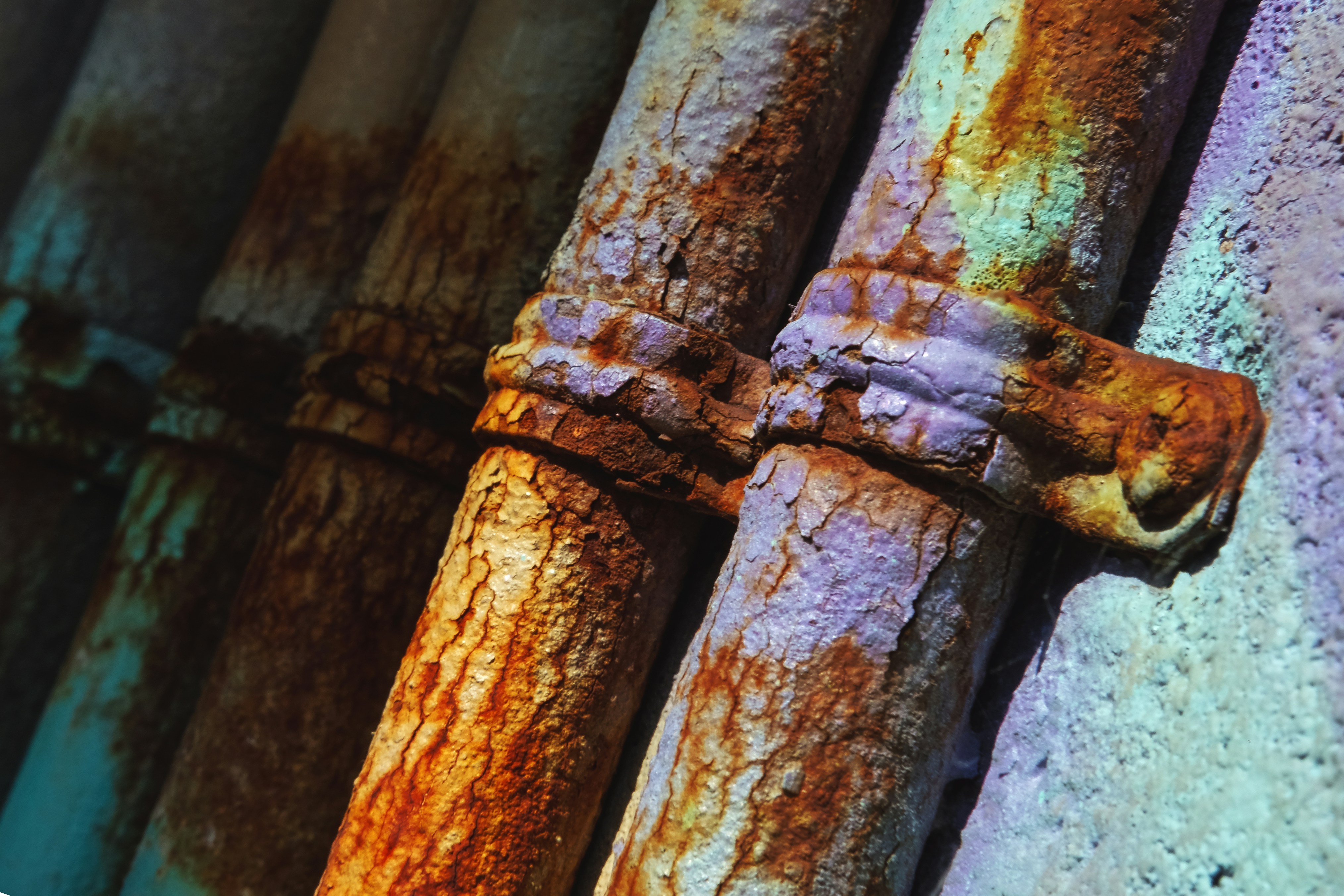
Biofilm: Why Does Water System Maintenance Matter?
There is another factor that deserves attention — the condition of the water system itself.
In pipes, tanks, and other surfaces in contact with water, so-called biofilms can form.
A biofilm is a community of microorganisms attached to a surface. Its formation is a natural biological process that can be observed in various water systems.
Its development depends on temperature, storage conditions, water movement, and regular maintenance.
Why is this important?
Because water quality does not depend solely on its initial purification. The conditions under which it is stored and reaches the consumer also matter.
That is why well-designed drinking water systems consider treatment, storage, and supply as parts of a single overall process.
UV Technology: When Purification Also Includes Microbiological Protection
One of the established technologies for the microbiological treatment of water is ultraviolet light.
Unlike ordinary mechanical filters, UV technology does not rely on the physical retention of microorganisms.
Instead, ultraviolet radiation, at the properly selected dose, damages their genetic material and prevents their ability to reproduce.
This process is called UV disinfection and finds application in both domestic and professional drinking water treatment systems.
One of its advantages is that it does not require the addition of chemical disinfectants and does not significantly alter the taste of the water.
UV treatment also has a specific role in the overall system: it complements filtration by providing a different mechanism for controlling microorganisms.
Of course, the effectiveness depends on the proper design, technical characteristics, and maintenance of the equipment. Therefore, the best approach is not to rely on a single method, but on a suitable combination of technologies.
Filtration and UV treatment are not competing solutions. They can work together to achieve better control over drinking water quality.
Cup of Air: What If the Water Doesn't Come From the Tap?
So far, we have talked about the ways we treat water. But there is another, equally interesting question:
Is it necessary for drinking water to always come from a water supply network, a well, or a bottle?
Modern technologies now offer a different approach.
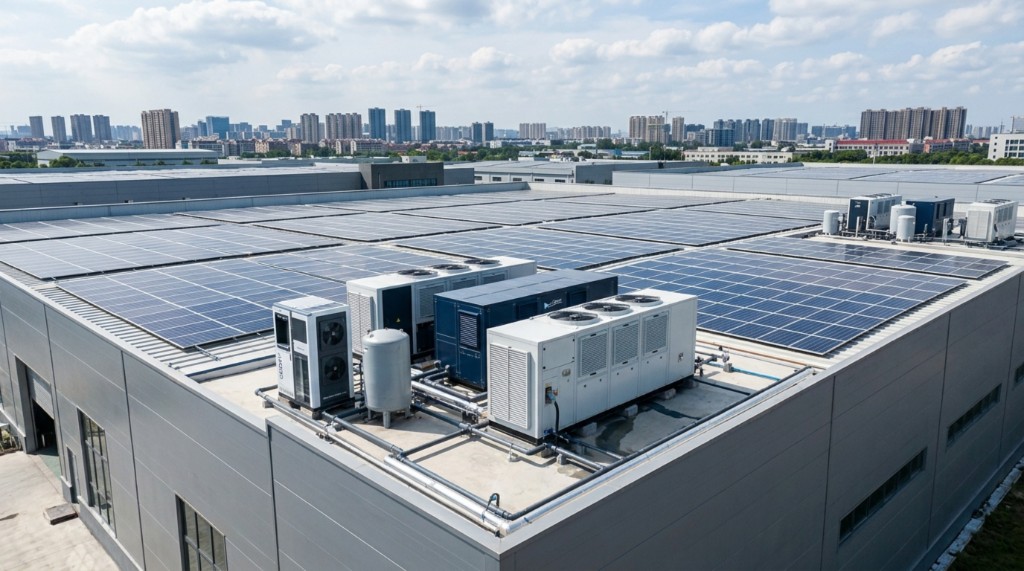
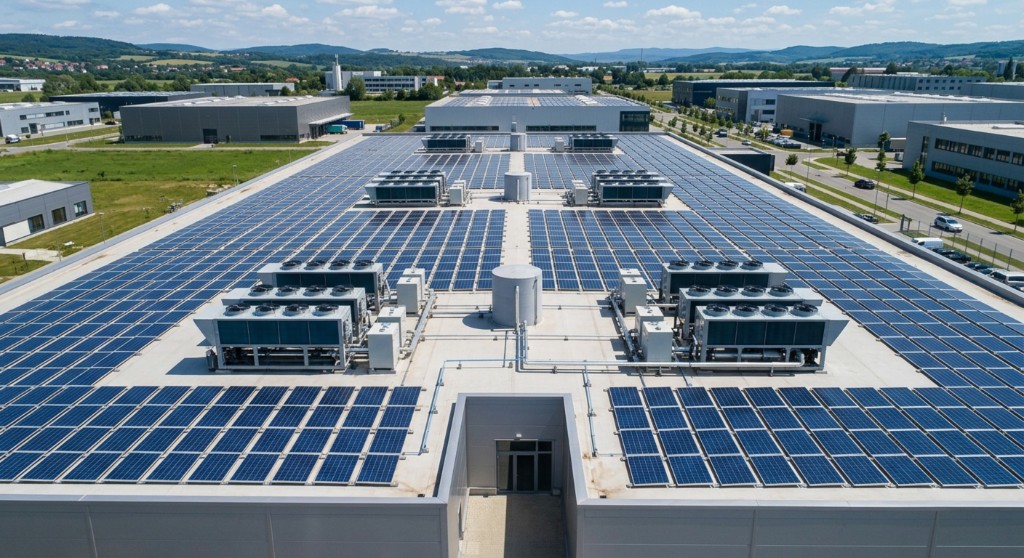
Atmospheric Water Generators (AWG) use the moisture that is naturally present in the air.
Through a technological process, the water vapor is condensed, and the resulting water passes through the treatment stages provided for the respective system.
This is exactly the principle on which the machines offered by Cup of Air work.
Instead of relying on a constant water supply from an external source, they enable its production directly at the point of consumption.
Depending on the model, the systems combine various treatment and quality control technologies, including filtration and UV disinfection.
This is an essential part of the Cup of Air concept — not just producing water from the air, but providing a technological solution where water production and treatment are combined in a single system.
Of course, the produced water must meet the applicable drinking quality requirements, and the systems require the intended technical maintenance.
More Than Clean Water: The Freedom to Produce It Where We Need It
Imagine an office where dozens of bottles of water are delivered every day. Or a hotel that must constantly plan quantities, transport, and stock levels.
In these cases, the question is not only how the water is purified.
The question is also how it reaches the people.
The traditional model involves delivery, storage, or a permanent connection to the water supply network.
Atmospheric generators offer another option — local production of drinking water tailored to the needs of the specific site.
This can mean less dependence on bottled water deliveries, easier planning of daily consumption, and more flexibility for the business.
The productivity of atmospheric generators depends on the temperature, humidity, and technical characteristics of the equipment, and their operation requires electricity. Therefore, the choice of machine must be tailored to the specific environment and the necessary quantities of water.
When conditions are suitable, the technology can be a practical addition to existing water supply methods.
The Future of Drinking Water Begins With Better Questions
Today, it is not enough to ask only whether the water is filtered.
It is more important to understand how it is treated, how its quality is controlled, and how it reaches our glass.
The development of technologies allows us to think about water in a new way — not just as a resource to be delivered, but also as a resource that, under suitable conditions, can be produced where it is needed.
At Cup of Air, we believe that true innovation is that which makes everyday life easier, and people and businesses — more independent.
Therefore, our mission is to make the technology for producing water from the air more accessible, understandable, and applicable in real life.
And would you drink water produced directly from the air?
Get acquainted with Cup of Air's technology and discover how it can be applied in your home or business.
Cup of Air — where there is air, there is an opportunity for water.