Every household and business invests thousands of levs in high-quality coffee machines, energy-efficient washing machines, dishwashers, and other appliances, expecting them to serve flawlessly and trouble-free for years to come.
The reality, however, is different.
With each passing month, their efficiency imperceptibly declines, electricity and water bills rise, and ultimately, it leads to expensive and premature repairs.
The cause is rarely a manufacturing defect. Most often, the culprit flows directly from your tap—hard water and the inevitable accumulation of limescale.
To examine the anatomy of the problem in detail, we must determine exactly what tap water hides.
Water hardness is determined by the presence of dissolved minerals, primarily calcium and magnesium, which it absorbs while passing through soil layers and aquifer systems.
Hard water is also the direct source of limescale—the same substance that leaves stubborn white stains in the bathroom and on the sink, requiring specific cleaning detergents.
According to official data from the Regional Health Inspectorates (RHI) and water supply companies, tap water in 18 regions of the country has medium to very high hardness.
But what does this mean for our appliances?
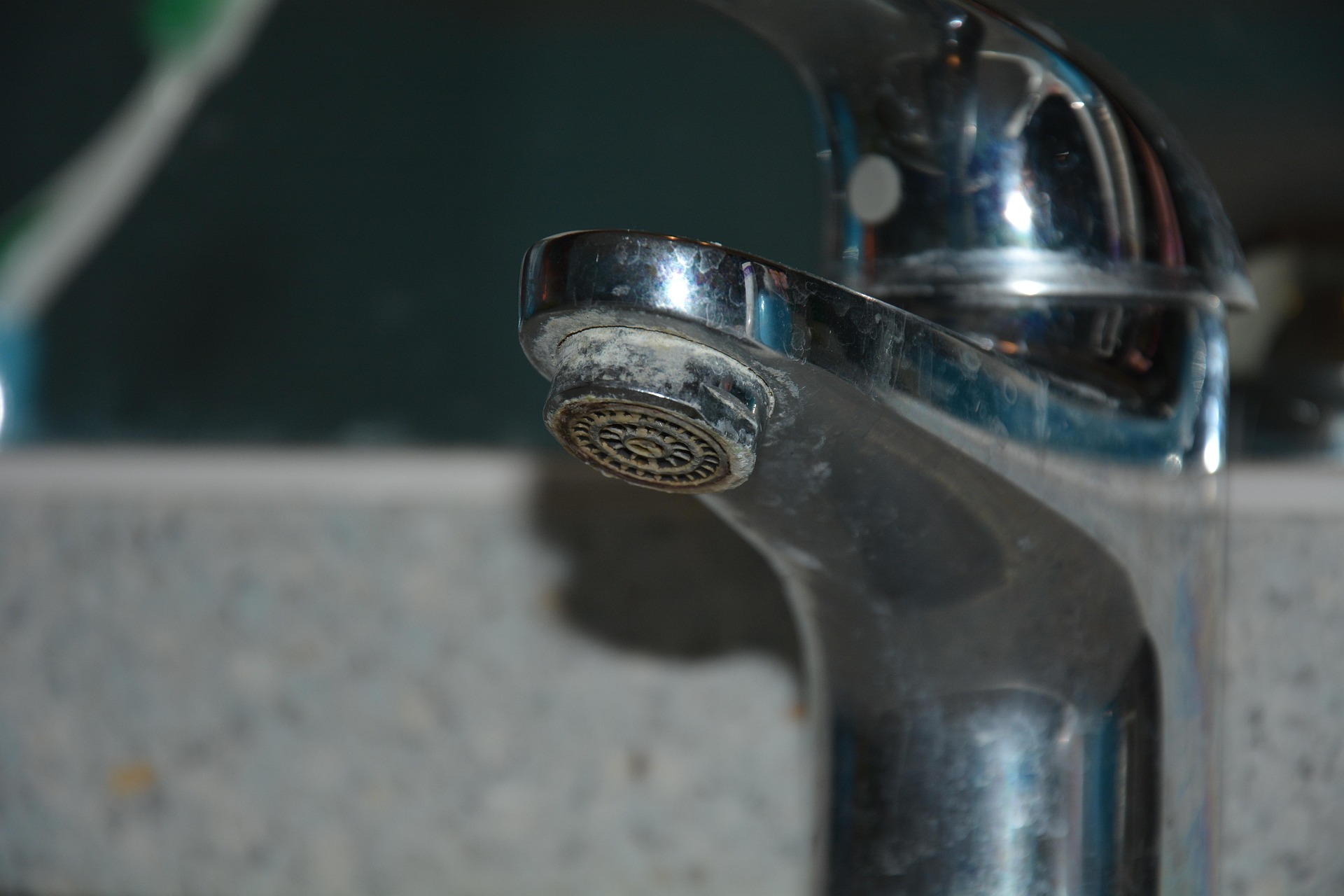
When this mineral-rich water is heated in water heaters, washing machines, or coffee makers, the dissolved salts crystallize and deposit as calcium carbonate—the well-known limescale.
Limescale is not just an aesthetic problem. It is a physical barrier that disrupts the thermodynamics and mechanics of appliances through gradual but certain accumulation.
Studies by reputable institutions such as the Water Quality Association (WQA) and the Battelle Memorial Institute reveal startling data about the impact of hard water on household appliances:
-
Water heaters: Research shows that water heaters operating with hard water lose up to 48% of their energy efficiency. Limescale envelops the heating element like an insulator, forcing it to work longer and more intensively to heat the water. This leads to drastically higher electricity bills and shortens the appliance's lifespan by up to 50%.
-
Washing machines and dishwashers: Hard water requires up to 30% more detergent to achieve the same cleaning effect, as minerals neutralize the active ingredients. Furthermore, limescale buildup on drums, filters, and heating elements reduces the operational lifespan of these appliances by an average of 30%.
-
Espresso machines: High-end coffee machines are extremely sensitive to water quality. Limescale clogs the fine tubes and thermoblocks. Even regular descaling with specialized products (which are a hidden monthly expense themselves) cannot completely prevent the micro-wear and tear of internal components.
The problem, however, does not end with damaged equipment.
According to The Detergent Savings Study (contained within the Softened Water Benefits Study and funded by the Water Quality Research Foundation - WQRF), the minerals in hard water block key substances in soap and prevent it from functioning properly.
As a result, households and businesses unknowingly purchase significantly more laundry and cleaning detergents just so the machines can do their job.
Additionally, hotter water must be used for dishwashing, as hard water only cleans satisfactorily at high temperatures.
Thus, even before the appliance breaks down, costs have already doubled—once for detergents and again for heating the water.
The conclusion is clear: The financial damage from this hidden pest is serious. Appliances that take in the most hard water consume more energy, require more maintenance products, and need replacement or major repairs years before their intended lifespan.
Although most consumers resign themselves to this reality, an effective solution does exist.
That is soft water.
Water acquires its hardness by passing through soil and rocks. Soft water has had no contact with them at all.
According to the Softened Water Benefits Study, its benefits are indisputable:
-
Optimized cleaning and savings: The lack of blocking minerals allows detergents to operate at their full potential. With soft water, the amount of detergent needed to effectively wash clothes and dishes drops by 50% compared to hard water.
-
Hot water savings: For removing stubborn stains, soft water is drastically more effective than washing with hot water or adding extra detergent.
-
Efficiency at low temperatures: Because soft water makes soap so much more effective, it allows for washing and cleaning at just 15°C, achieving the same results as at high temperatures. This saves tremendous amounts of energy in the long run and reduces your electricity bills.
-
Spotless dishes: The benefits are not only practical but also aesthetic. Soft water drastically reduces the cloudy film, spots, and white limescale deposits on glasses and cutlery.
Traditional filters and water softening systems attempt to tackle the problem after the minerals are already in the water, often through complex ion exchange processes that require consumables and maintenance.
Cup of Air completely changes the paradigm by eliminating the source of the problem.
The best solution is found precisely in water that has never absorbed minerals from the earth's crust.
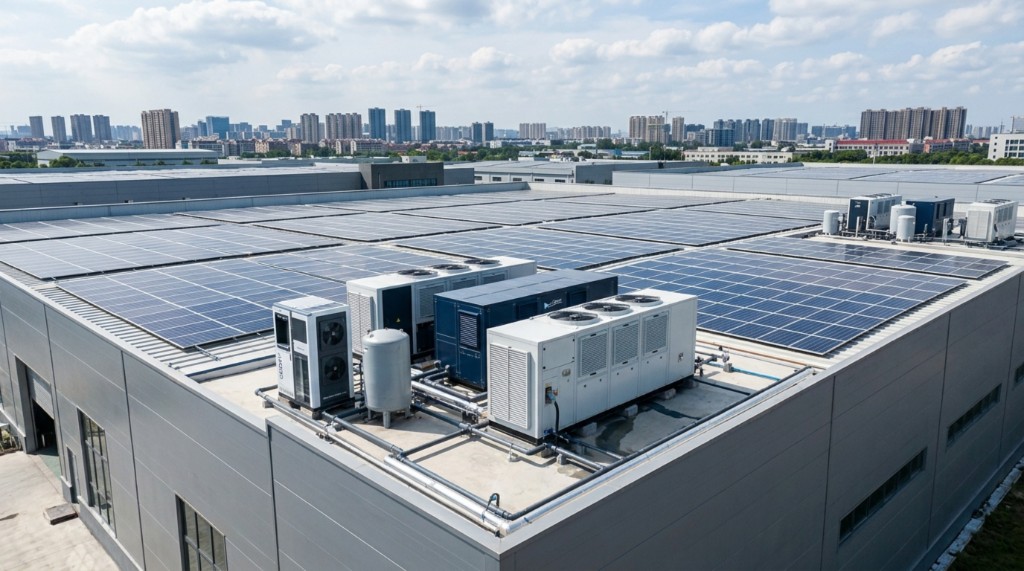
Our systems do not filter tap water—they generate pure water directly from atmospheric air.
Here is how water from Cup of Air is 100% protected against limescale formation:
-
Natural purity at the molecular level: Water vapor in the air is practically distilled by nature itself. It rises into the atmosphere through evaporation, leaving behind all the heavy minerals, salts, calcium, and magnesium found in the soil and groundwater.
-
Zero limescale: Because the water generated from the air never comes into contact with the earth's crust before reaching your glass, it does not contain the minerals that cause hardness.
-
Flawless appliance operation: By using water from Cup of Air for your coffee machine, kettle, or for cooking, you completely eliminate the risk of limescale formation. Your appliances will operate at their optimal energy efficiency and serve you years longer, exactly as they were designed to do.
Having access to uncompromisingly clean and soft water is no longer a luxury, but a strategic decision for every modern household or office.
With Cup of Air, you are not just ensuring the highest quality of drinking water—you are stopping the silent depreciation of your appliances, lowering your electricity bills, and putting an end to the endless purchasing of anti-limescale products.
Invest in an innovation that protects your health, your budget, and your home—an investment that truly pays off.
Sources:
Want soft, limescale-free water at home?
Request a quote