Europe is not a continent we usually associate with a lack of water. We have rivers, lakes, reservoirs, groundwater and developed water-supply infrastructure.
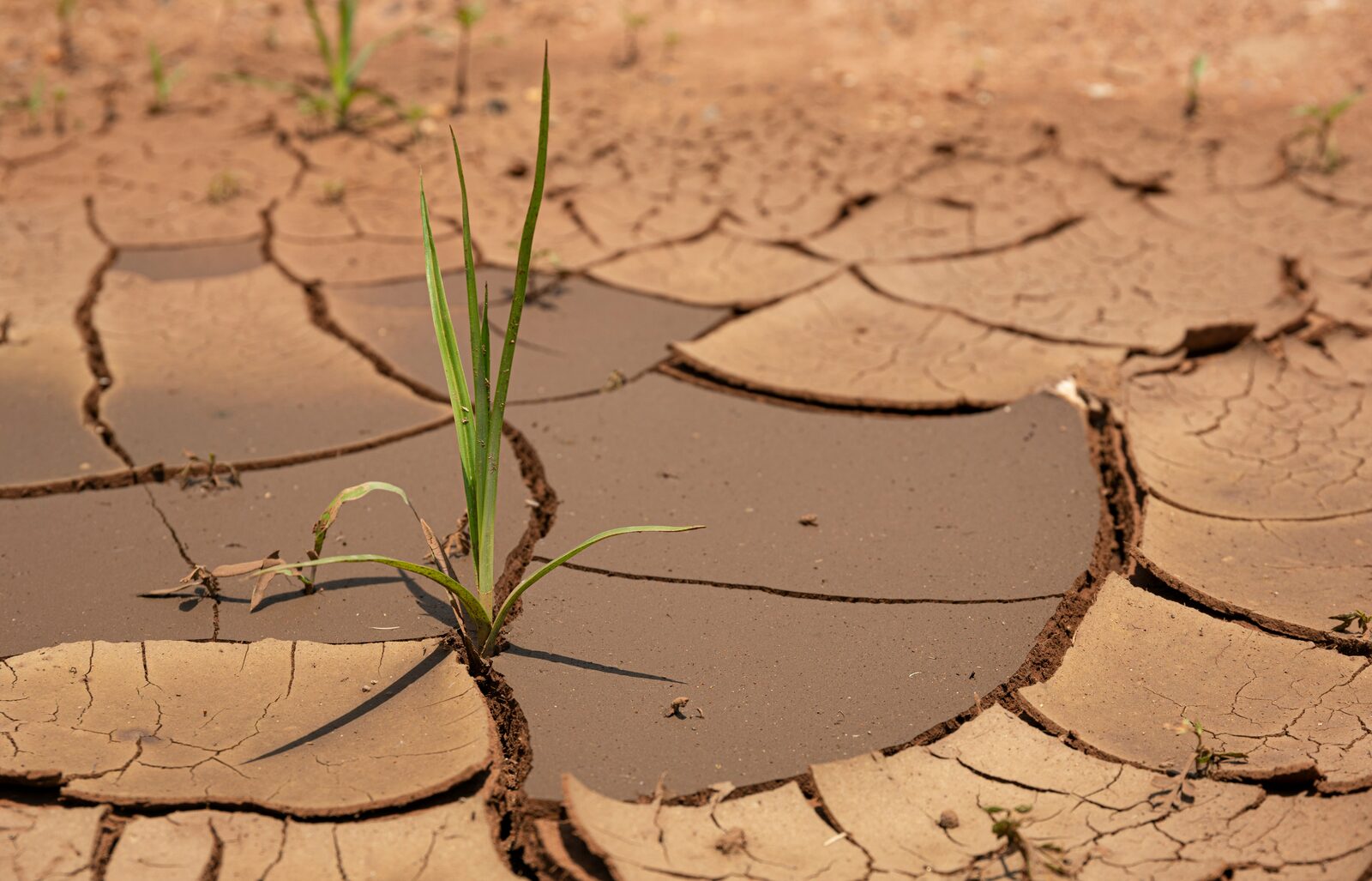
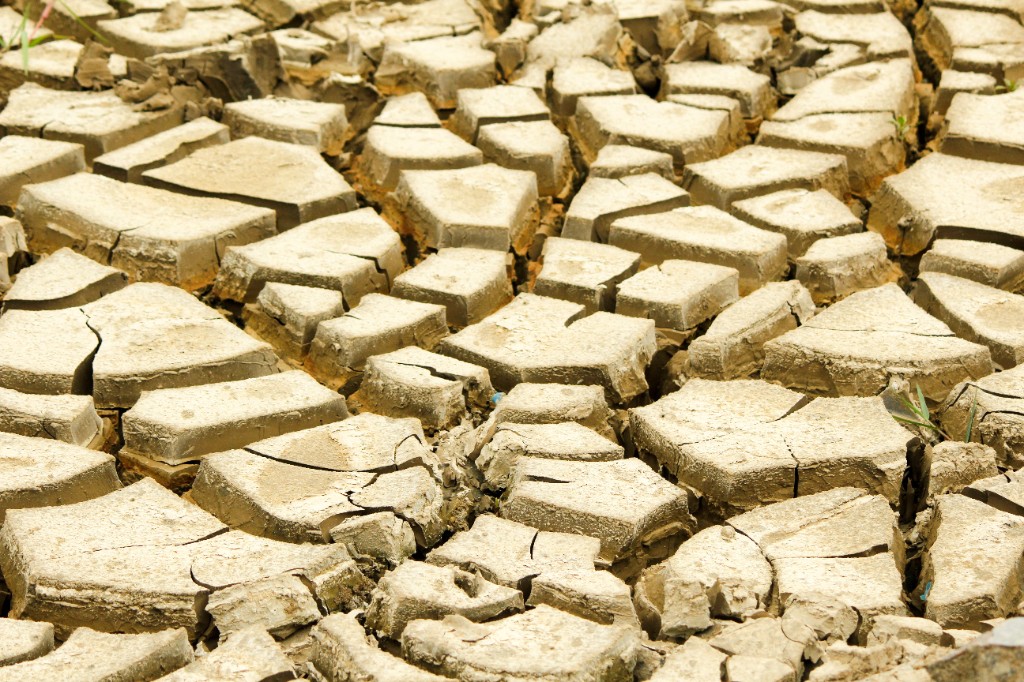
And yet water scarcity in Europe is no longer a problem of the future alone.
According to the European Environment Agency (EEA), around 30% of EU territory and one third of the population are affected by water scarcity during at least one period of the year.
In 2023, that was 28% of the territory and 32% of the EU population.
And climate change poses an increasingly important question:
Will we have enough water where and when we need it?
Europe is warming faster than the rest of the world
According to the EEA, Europe is the fastest-warming continent, and in 2026 the agency reports that warming here is proceeding at roughly twice the global average.
This does not simply mean hotter summers.
The entire water cycle is changing.
Higher temperatures increase evaporation. Dry periods can become longer. Snow and glaciers that feed important European rivers are shrinking. At the same time, other places see more intense rainfall and floods.
The paradox is that Europe can have both:
too little water → and too much water.
Both create a problem for water security.
Water scarcity does not necessarily mean “there is no water”
This is an important distinction.
Water stress occurs when consumption starts to put too much pressure on available renewable water resources.
The EEA uses the WEI+ indicator. A value above 20% means water stress, and above 40% — severe water stress and potentially unsustainable use of resources.
Southern Europe is particularly vulnerable. In some areas around 30% of the population lives under permanent water stress, and up to 70% can be affected seasonally in summer.
But the problem is no longer limited to the Mediterranean. Water stress is also observed in other European regions with high population density and significant consumption from cities, industry and energy.
The question is not only how much water we have, but also its quality
Climate change can affect both the quantity and the quality of water.
At lower river levels, pollutants can become more concentrated. Sea-level rise increases the risk of saltwater intrusion into coastal freshwater sources. Floods, in turn, can carry pollutants toward water sources.
And the state of Europe’s waters is already not ideal.
According to the EEA, only 37% of surface water bodies in Europe are in good or high ecological status, and just 29% achieve good chemical status.
That is why water security does not simply mean:
“Have water.”
It means:
enough water + of the required quality + in the right place + when it is needed.
Who will feel the problem most strongly?
Water is not needed only for drinking.
It is a basic resource for:
agriculture → production → energy → hotels and tourism → cities → households → the food industry.
That is why water scarcity is also an economic risk.
The EEA warns that with water scarcity, agriculture can suffer losses and higher costs, electricity generation can be constrained, and water-intensive industries can be forced to reduce or temporarily halt production.
So the question “Where does our water come from?” is gradually becoming a business question as well.
Europe is already changing its water strategy
In 2025 the European Commission presented the European Water Resilience Strategy — a strategy for a Europe more resilient to water risks.
One of the goals set is to improve water efficiency in the EU by at least 10% by 2030.
But the solution will not be a single one.
The EEA puts first the reduction of losses and more efficient use of existing water. Alongside that, diversification of water sources is also considered — through water reuse, rainwater harvesting, desalination and other solutions where they are appropriate.
And this is exactly where an interesting shift appears in how we think about water.
What if the water source can also be around us?
The atmosphere naturally contains water in the form of water vapor.
Atmospheric water generators use this humidity, condense it and then treat the resulting water.
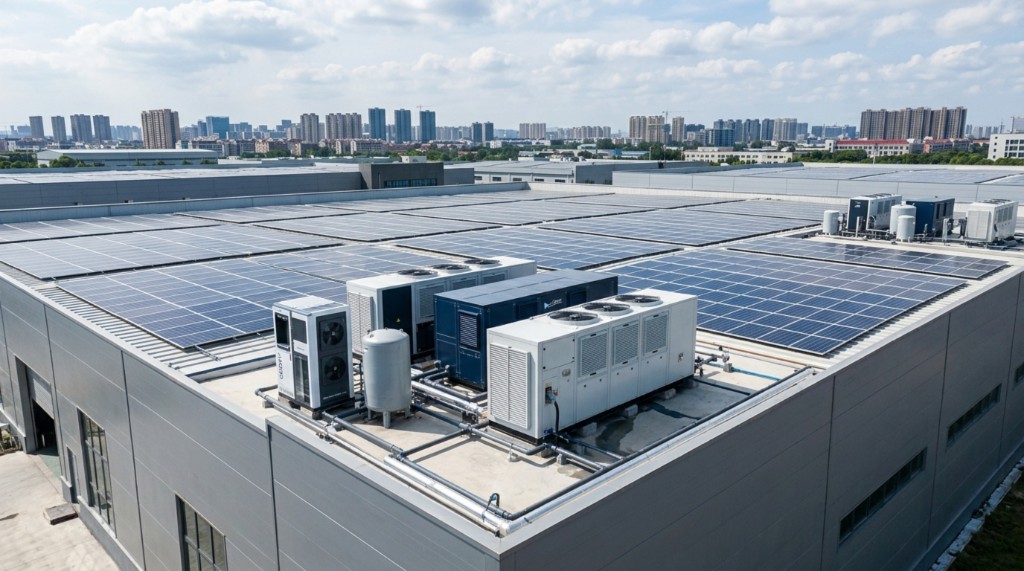
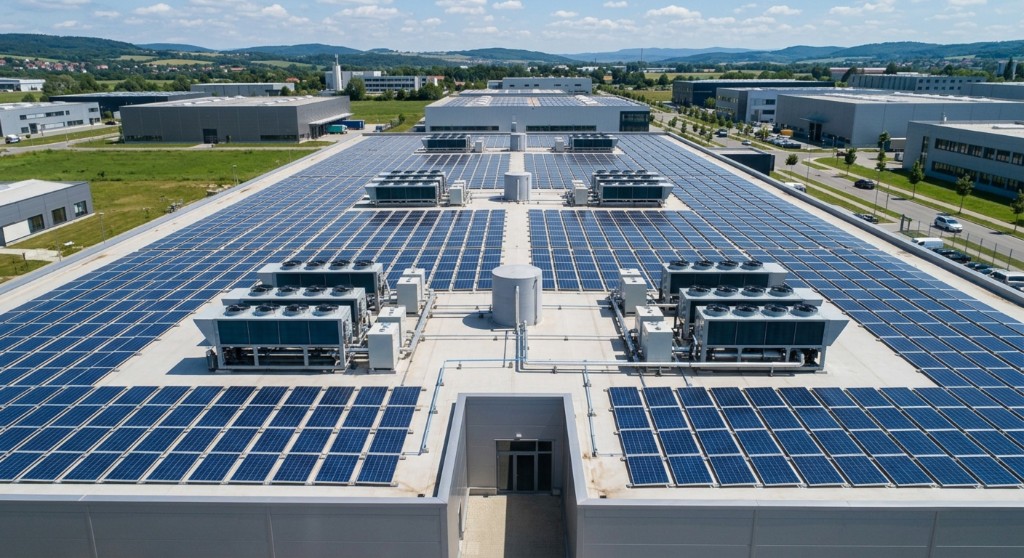
At Cup of Air, the technology makes it possible for water to be generated and purified directly at the place where it is needed.
This does not mean that water from air will replace reservoirs, water networks or all traditional water sources.
Quite the opposite — future water security will likely require more than one solution.
More reasonable use of existing water.
Fewer losses.
Reuse.
New technologies.
And when conditions allow — alternative and decentralized water sources.
Water independence is gradually becoming part of resilience
For a home, this can mean an alternative source of drinking water.
For a hotel — less dependence on bottled-water deliveries.
For a business — an additional source for certain needs.
For a remote site — the ability to produce water where traditional infrastructure is limited.
So perhaps the most important question is not:
“Will the water in Europe run out?”
That is too simplistic.
The more precise question is:
“Will we have enough quality water in the right place and at the right time?”
Climate data show that this will become an ever greater challenge.
And that means the future of water will not depend only on finding more water.
It will depend on how intelligently we use, purify, store and produce the water we have.
It is in this new water reality that technologies such as Cup of Air find their place.
Not as a replacement for all existing water sources.
But as one more possible source of water where it is needed.
Need help choosing the right model?
Request a quote